
by SX Arya | Aug 14, 2026 | SEO Guides
Server-side rendering and client-side rendering offer completely different outcomes for your website. They determine how quickly Google indexes your content. They dictate your Core Web Vitals performance. They also control how AI search systems retrieve your content...

by SX Arya | Aug 13, 2026 | SEO Guides
Checking your server access logs might reveal strange activity. You might see Googlebot sending HEAD, OPTIONS, PUT, PATCH, or DELETE requests. These appear alongside standard GET requests. Your first reaction might be alarm. You might suspect a security threat or...

by SX Arya | Aug 12, 2026 | SEO Guides
JavaScript SEO is the technical practice of ensuring search engines correctly crawl, render, and index dynamic content. Google processes JavaScript very differently from static HTML. Consequently, heavy scripts often delay indexation by days or even weeks. In August...

by SX Arya | Aug 11, 2026 | SEO Guides
Open Graph image sizes require specific dimensions for different social networks. Facebook, LinkedIn, X, WhatsApp, Telegram, Slack, and Threads all demand unique specifications. They have different minimum dimensions, preferred aspect ratios, and strict file size...

by SX Arya | Aug 10, 2026 | SEO Guides
Implementing Open Graph tags in WordPress is either automatic through your SEO plugin or manual through theme code, depending on how your site is built. Most WordPress sites use Yoast SEO or RankMath, both of which generate Open Graph tags automatically once correctly...

by SX Arya | Aug 8, 2026 | SEO Guides
Facebook created the Open Graph protocol in 2010. It standardizes how web pages represent themselves across social platforms, messaging apps, and AI search systems. Sharing a URL on Facebook, LinkedIn, X, WhatsApp, or Telegram triggers Open Graph tags. These HTML tags...

by SX Arya | Aug 7, 2026 | SEO Guides
SEO taxonomy is the systematic classification of your website content into organized categories and subcategories. Consequently, it makes it easier for search engines and AI systems to understand your content. Furthermore, a well-built SEO taxonomy forms the absolute...
by SX Arya | Aug 6, 2026 | SEO Guides
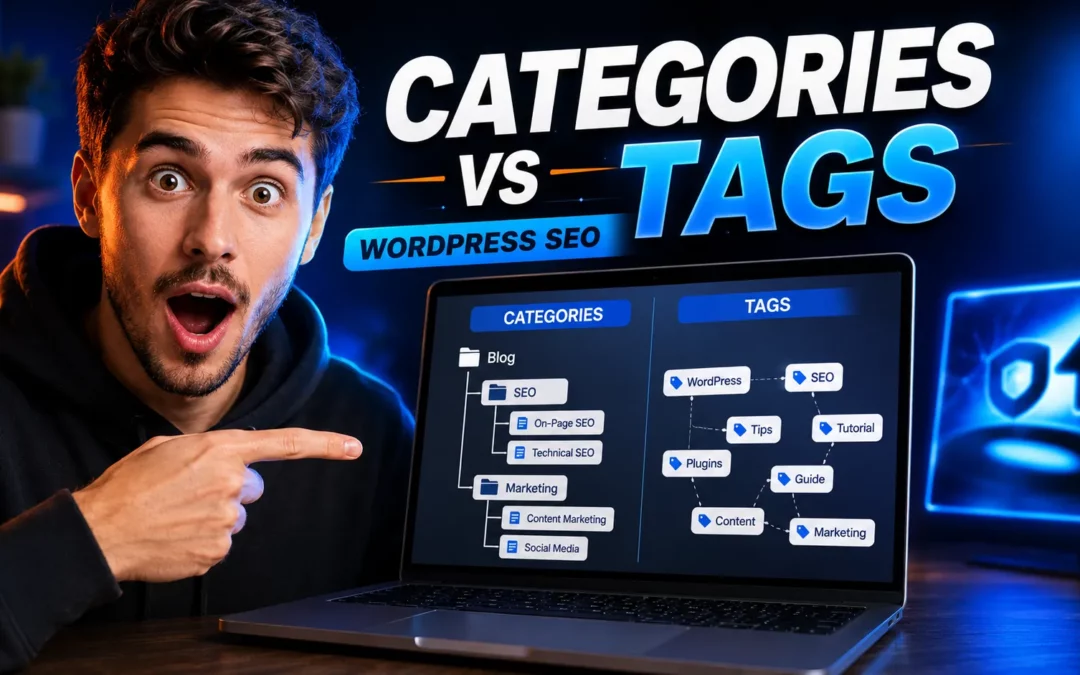
WordPress gives you two built-in taxonomy tools: categories and tags. Most sites use them wrong. Categories are hierarchical and should map directly to your top-level topic areas and subcategories, functioning as your primary navigational taxonomy. Tags are flat and...

by SX Arya | Aug 5, 2026 | SEO Guides
SEO taxonomy systematically classifies your website’s content into organized categories, subcategories, and tags. It makes it easier for search engines, users, and AI systems to understand your site coverage and content relationships. A well-built taxonomy forms...
by SX Ika | Aug 4, 2026 | Backlink Strategies
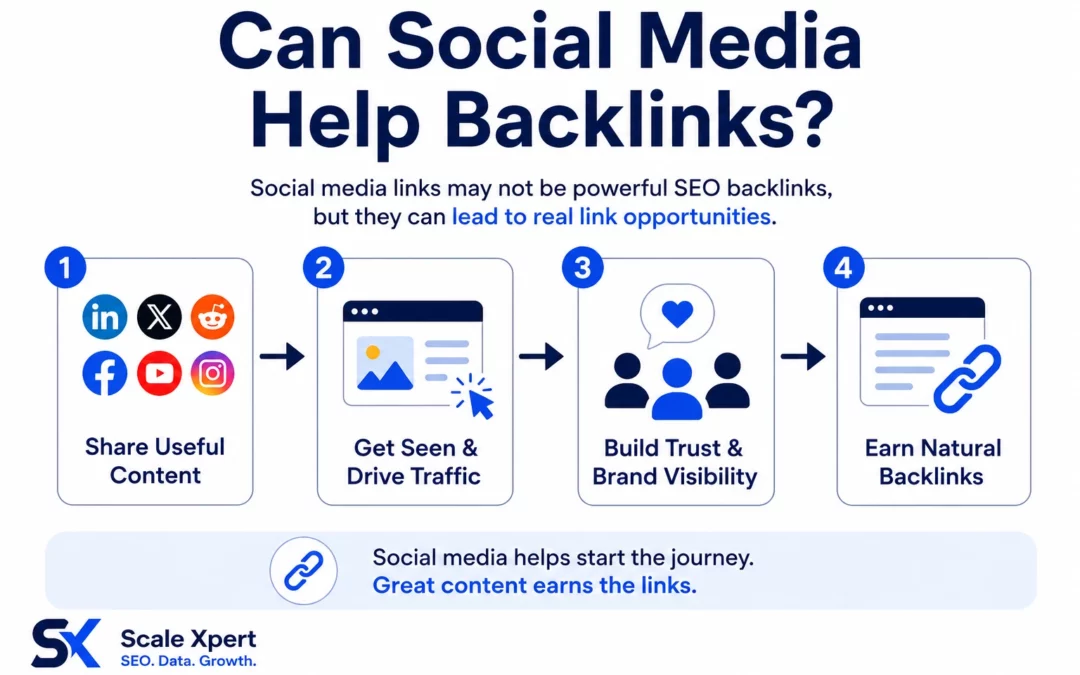
Social media backlinks are links to your website shared on platforms like LinkedIn, Facebook, X, Reddit, YouTube, Pinterest, Discord, or other communities. They matter for SEO because social platforms can help people discover your content, visit your site, mention...