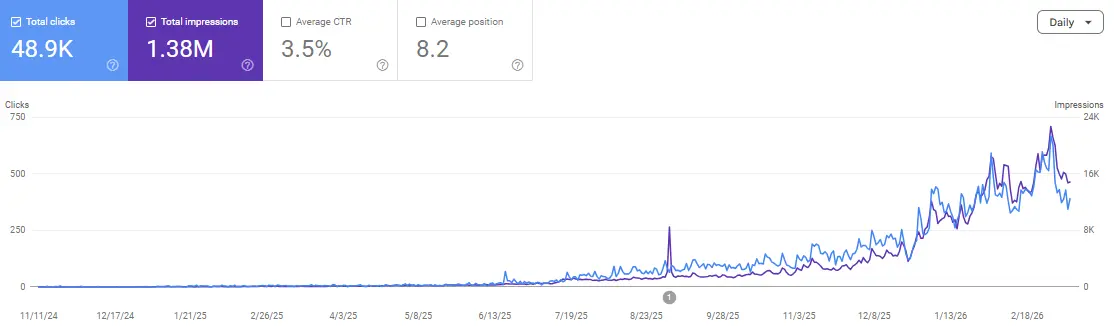
AI-driven search engines pull short, clear chunks of text to answer user questions. That means you rank in AI answers when your content delivers direct, self-contained responses supported by credible detail and structured in a way machines can easily process.
In practice, this involves writing concise answers, using logical headings, applying schema, maintaining fast pages, and consistently demonstrating expertise.
If you are actively experimenting with these strategies or exploring ways to get your content cited by AI systems, you might notice that many practitioners exchange insights and collaboration opportunities in focused spaces one example is this SEO-focused Discord community, where discussions often revolve around real-world testing and growth.
Understand What “Rank In AI Answers” Really Means
Traditional SEO focuses on ranking blue links. However, when you aim to rank in AI answers, your goal shifts toward becoming the source AI systems quote or summarize directly.
Instead of reading entire pages, AI models break content into small chunks. If a section clearly answers a query and feels trustworthy, it becomes eligible to appear in AI-generated responses.
Because of this, structure matters more than ever. If you are still thinking in terms of keyword placement alone, it helps to revisit the fundamentals—this guide on what is SEO content explains how modern content is evaluated beyond keywords.
Ultimately, you are writing not just for users or search engines, but for systems that summarize information.
Learn The Core AI Ranking Signals
Although each AI platform operates differently, several shared signals influence whether your content gets selected:
- Relevance
- Topic clarity
- Engagement
- Freshness
- Trust and authority
Relevance remains the foundation. However, AI now evaluates meaning not just keywords.
At the same time, clarity becomes critical. If your headings and paragraphs focus on one idea at a time, AI can interpret your content more precisely.
Engagement also plays a role. Metrics like bounce rate and dwell time help systems estimate usefulness. Therefore, improving user experience directly supports AI visibility.
Finally, authority signals matter. If you want a deeper understanding of how authority is built through links and trust, this breakdown of domain authority explained gives useful context.
Structure Your Content For AI Extraction
Even high-quality content can fail if the structure is unclear.
To improve AI extraction:
- Use question-based H2 and H3 headings
- Keep paragraphs focused on one idea
- Break content into small, digestible sections
Additionally, formatting plays a strategic role. Lists, tables, and short paragraphs make it easier for AI to extract usable snippets.
Think of each section as a standalone answer that could be quoted independently.
Optimize Intros To Rank In AI Answers Fast
The first 100 words of your content carry disproportionate weight.
Start with a direct answer immediately, then expand.
For example:
- First sentence → clear definition
- Second sentence → supporting context
- Next paragraph → deeper explanation
This structure aligns perfectly with how AI models extract summaries.
Interestingly, many SEO professionals test and refine these intro patterns collaboratively. In practice, insights like these often come from shared experimentation—something you’ll frequently see discussed in places like this SEO growth community, where strategies evolve through real testing rather than theory.
Use Schema To Help AI Understand You
Schema markup acts as a translator between your content and AI systems.
Key types include:
- FAQ Schema
- How-To Schema
- Q&A Schema
These formats highlight structured answers that AI can easily reuse.
Moreover, schema supports rich results and voice search visibility, making it a core part of AEO (Answer Engine Optimization).
Write For Voice And Conversational Queries
Voice search continues to grow, and AI systems rely heavily on conversational inputs.
Instead of short phrases, users ask full questions like:
- “How do I rank in AI answers quickly?”
- “What is answer engine optimization?”
To match this behavior:
- Use natural language
- Include full question headings
- Provide immediate answers
As a result, your content becomes easier for both AI assistants and human readers to follow.
Build E E A T To Earn Trust
E-E-A-T (Experience, Expertise, Authoritativeness, Trustworthiness) determines whether AI systems consider your content reliable.
To strengthen this:
- Add real examples and insights
- Cite credible sources
- Maintain consistent publishing
Trust builds over time. When your content repeatedly proves useful, AI systems are more likely to reference it.
Focus On Answer Engine Optimization (AEO)
AEO is the evolution of SEO.
Instead of only targeting keywords, you:
- Map real user questions
- Provide direct answers
- Structure content for extraction
Each section becomes a potential snippet.
Additionally, originality matters. AI systems prefer content that adds new value, not recycled summaries.
Improve Technical And UX Foundations
Strong content alone is not enough.
You also need:
- Fast loading speed
- Mobile optimization
- Clean layout
Poor performance leads to weak engagement signals, which reduces your chances of being selected by AI systems.
Keep Content Fresh And Topically Focused
Freshness is a major ranking factor for AI answers.
Regular updates signal relevance. Even small improvements like updating examples or refining clarity can maintain performance.
At the same time, topical authority strengthens your position. When multiple related articles support each other, AI systems gain confidence in your expertise.
FAQs
1. What Does It Mean To Rank In AI Answers?
It means your content is selected and cited within AI-generated responses instead of just appearing as a traditional search result.
2. How Is It Different From Regular SEO?
AI SEO focuses on snippet-level clarity and structure, while traditional SEO focuses on rankings and clicks.
3. How Can I Rank In AI Answers Fast?
Focus on clear answers, structured content, schema markup, and high-intent queries.
4. What Is Answer Engine Optimization?
AEO is the process of optimizing content for AI extraction and summarization.
5. Why Does Freshness Matter?
AI systems prioritize up-to-date content, especially for evolving topics.
6. How Important Is E E A T?
It is critical. Without trust signals, your content is unlikely to be cited.
Conclusion
Ranking in AI answers requires a shift in mindset. You are no longer just optimizing for rankings you are optimizing to be the source AI systems trust and reuse.
When you combine clear structure, concise answers, strong E-E-A-T, and technical performance, your content becomes highly eligible for AI-driven visibility.
And if you want to accelerate that process learning what works, building connections, and even opening doors to collaboration opportunities it can be worth exploring environments like this SEO networking space, where growth often happens through shared insight rather than isolated effort.
Because in this new era of search, visibility is no longer just about being found it’s about being chosen.