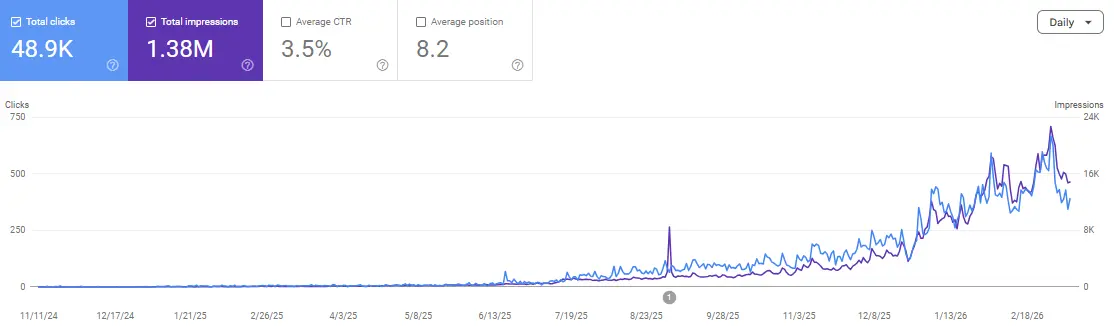
Injecting original value into programmatic pages means ensuring every single generated URL contains data, insights, or structural context that users cannot easily find elsewhere. This is the single non-negotiable requirement that separates scalable projects Google rewards from directories it penalizes. Building a sustainable, high-growth roadmap requires moving past public API scraping and anchoring your templates to highly defensive, proprietary datasets.
If you want to validate your dataset architecture before building, join the Scale-Xpert community on Discord. There, active technical practitioners swap templates, review database schemas, and analyze live algorithm filters.
What Original Value Programmatic SEO Actually Means
Original value programmatic SEO means each page provides specific, actionable utility that a user cannot get by running a basic query or asking an LLM chat interface the same question. It is completely unrelated to raw word count, superficial phrasing variants, or using AI models to spin existing web content.
  Scraping Public APIs ──► Simple Word Swaps ──► AI Overview Redundancy (FAIL)
  Proprietary Data     ──► Contextual Tools ──► High-Authority Indexing  (WIN)
The Technical Definition
Industry quality benchmarks, frequently emphasized by practitioners like Lily Ray, explicitly state that scaled automation must introduce proprietary data points or analytical insights that search engines did not previously possess. If your system merely re-arranges information already indexed in search results, the page adds zero structural utility to the web. It operates as a near-duplicate, making it a severe crawl and index liability.
Why Unique Combinations Fall Short
A common engineering misconception is that blending two distinct public data tables satisfies the requirements for original value programmatic SEO. For example, rendering population metrics alongside average climate data for a directory of global cities is technically a unique combination. However, because search engine crawlers can fetch those individual elements effortlessly, an AI Overview or knowledge panel can synthesize that exact layout instantly. The real validation standard requires originality within the underlying data points themselves.
The Practical Benchmark
Run this simple diagnostic before opening up your database to search bots: If you completely stripped out your proprietary metrics or custom tools, would a target user have a single compelling reason to choose your directory over a legacy search result? If the answer is no, your template lacks the core components of original value programmatic SEO.
Six Sources of Defensive, Proprietary Datasets
                  ┌──────────────────────────────────────┐
                  │ 6 Sources of Original Programmatic   │
                  └──────────────────┬───────────────────┘
                                     │
         ┌───────────────────────────┼───────────────────────────┐
         ▼                           ▼                           ▼
   [Platform Data]             [Live Feeds]             [Original Research]
  Internal software           Real-time automated        Targeted industry or
   user interactions.          API tracking feeds.        user base surveys.
         │                           │                           │
         ▼                           ▼                           ▼
  [Community Inputs]          [Expert Synthesis]        [Licensed Datasets]
 Aggregate customer          E-E-A-T validated          Exclusive, restricted
 reviews and ratings.        specialist reviews.        third-party tables.
1. Proprietary Platform Metrics
Internal system data provides an exceptionally strong defense because competitors cannot duplicate your database without replicating your entire business infrastructure. If your application handles user transactions, inventories, integration logs, or distinct search preferences, those tables belong entirely to you. High-scale examples like Zapier’s connection paths or Glassdoor’s wage indexes are structurally safe from algorithmic erosion because the core data cannot be synthetically mirrored by external software.
2. Live and Real-Time Data Feeds
Dynamic data sources hold an immediate quality edge because they provide real-time accuracy that static competitive pages cannot match. Financial exchange parameters, local shipping windows, live event ticket availability, and inventory levels require consistent automated updates to stay valuable.
Building a clean API middleware pipeline ensures your programmatic directories update automatically. This automated maintenance prevents content from growing stale. Additionally, as noted in Google’s technical URL discovery documentation, frequently updated page directories attract more frequent crawler attention.
3. Original Research and Surveys
Running custom studies creates datasets that did not exist anywhere on the web prior to your publication. Conducting targeted surveys across your audience segment helps you generate deep data tables that can be broken down into individual template pages. A single research investment of 500 verified respondents can fuel thousands of highly targeted, original long-tail pages.
4. Community-Driven Inputs
Surfacing aggregated user experiences, localized community ratings, and niche business feedback creates a naturally evolving data layer. This user-generated framework is highly resistant to automated AI duplication because it requires an authentic audience footprint to generate the underlying content.
5. Specialist Synthesis and E-E-A-T
Transforming raw rows of data into structured, expert-verified commentary significantly elevates page quality. For projects touching high-stakes Your Money or Your Life (YMYL) sectors like health, law, or personal finance, embedding a programmatic expert verification layer is essential. This structural validation ensures your pages align perfectly with search engine quality filters, creating truly SEO-friendly layouts that can withstand major core algorithm updates.
6. Restricted Third-Party Datasets
Securing unique commercial data rights or structuring hard-to-access public administration tables gives your site a distinct competitive advantage. If your platform secures access to detailed regional statistics or specialized academic research metrics behind an exclusive partnership layer, you create a powerful barrier to entry for standard search competitors.
The Pre-Build Validation Matrix
Before writing database queries or building out frontend page frameworks, run your target keyword schemas through this multi-layered validation test:
| Validation Test | Core Diagnostic Focus | Remediation Action Plan |
| The Replacement Test | Can an AI Overview answer this exact query instantly above the fold? | Re-engineer templates to focus on multi-variable intents. |
| The Comparison Test | What proprietary metric does your page offer that the top 3 SERP results miss? | Integrate unique internal platform metrics or user survey data. |
| The Target User Test | Will a human visitor bookmark this page to solve a real practical problem? | Introduce interactive widgets or custom calculation code. |
Systematically passing this matrix ensures that your scaling plans focus entirely on highly defensible, long-term SEO growth strategy patterns.
Architectural Templates That Resist Deindexing
To establish clear value across thousands of programmatic URLs, design your page hierarchy so that proprietary metrics sit directly above the fold, wrapped in clean, semantic code.
Pattern 1: Data-First Layouts with Contextual Support
Lead your webpage layout immediately with your unique, proprietary dataset. Ensure it is explicitly labeled with clear source metadata and recent timestamps. Place your comparative text block modules further down the page as supporting context rather than primary filler.
┌────────────────────────────────────────────────────────┐
│ H1: [Target Variable] Current Salary Database          │
├────────────────────────────────────────────────────────┤
│ 📊 PROPRIETARY METRIC BLOCK (Above the fold)           │
│ [Our Platform Survey Data: $XX,XXX - $XX,XXX]          │
├────────────────────────────────────────────────────────┤
│ 📈 Interactive Calculator Widget / Dynamic Trend Graph │
├────────────────────────────────────────────────────────┤
│ Text Block: Context, E-E-A-T Badges, Methodology       │
└────────────────────────────────────────────────────────┘
Pattern 2: Multi-Variable Comparison Engines
Rendering highly detailed product or service comparisons side-by-side provides outstanding user value that resists basic AI scraping. Building a scannable row structure allows both real human visitors and search engine parsing bots to quickly extract distinct value.
Pattern 3: Longitudinal Trend Profiles
Augmenting standard real-time pages with deep historical context transforms a simple data lookup into an indispensable resource. Showing historical shifts, seasonal averages, and multi-year data points gives search engines a strong reason to index your directory over basic, single-variable competitors.
Auditing and Fixing Staging Pages
If you have already deployed an automated directory, running a strict original value programmatic SEO audit is a high priority to protect your broader domain health.
-
Tier 1 (High Indexing & Strong Retention): These pages are performing well. Keep them updated with regular data refreshes and cron-job monitoring.
-
Tier 2 (Partial Indexing & Low Engagement): Modify your layout templates to bring your primary data blocks above the fold and eliminate repetitive boilerplate blocks.
-
Tier 3 (No Indexing & High Bounce Rates): These pages are a major quality risk for your entire site. You must either completely rebuild them around a unique dataset or delete them entirely and issue 301 redirects to higher-value parent categories.
For detailed steps on handling systemic index failures without crashing your active organic traffic funnel, review our practical playbook on how to execute programmatic SEO step-by-step.
Frequently Asked Questions
Does padding a page with longer text blocks count as original value?
No. Adding generic explanations or AI-generated filler paragraphs to change your page length does not create original value. Quality algorithms focus on search utility and unique data points, not word count. Real data points and expert analysis create value; text padding does not.
Can an LLM generate original value programmatic SEO data?
An LLM cannot create original data from scratch. AI models are excellent for summarizing or translating your existing datasets, but the core value must come from a proprietary data source that you control.
How do I prevent thin content errors in future database deployments?
Run a random sample of 20 URLs from your staging environment through the Replacement and Comparison tests before updating your live XML sitemaps. Catching template errors early prevents site-wide indexing issues.
Conclusion
Building a scalable web footprint requires shifting your programmatic focus from raw page volume to deep data defensibility. High-value data platforms that feature proprietary user signals naturally attract backlinks and secure long-term organic rankings. For deeper insights into safe expansion techniques, study our complete guide on creating linkable assets that drive organic authority.
To trade custom dataset schemas, review indexing workflows, and discuss live ranking variables with engineering peers, join the Scale-Xpert Discord community. Let’s review your template code and ensure your programmatic roadmap is completely optimized before you push your next database update to production.