What is keyword mapping? Keyword mapping is the process of assigning target keywords to specific pages on your website. It matters for SEO because every important keyword needs a clear page, search intent, and content plan instead of competing with other pages on your own site.
What Is Keyword Mapping?
What is keyword mapping in simple words? It is keyword-to-page mapping, where you decide which page should target which keyword.
For example, your keyword map may assign what is keyword mapping to one beginner guide, keyword clustering to another article, and search intent to a separate guide. As a result, each topic has a clear home.
| Keyword | Assigned page |
|---|---|
| what is keyword mapping | Beginner guide |
| keyword clustering | Keyword clustering guide |
| search intent | Search intent guide |
| long-tail keywords | Long-tail keyword guide |
This keeps your SEO content planning organized. In addition, it helps you avoid creating several pages that all target the same query.
Why What Is Keyword Mapping Matters for SEO
What is keyword mapping useful for? It helps you connect keyword research, content strategy, and website structure.
A good SEO keyword map can help you:
- prevent keyword cannibalization
- match pages with search intent
- plan new articles
- update old content
- find content gaps
- improve internal linking
- organize topic clusters
- choose one primary keyword per page
Google Search Essentials recommends using words people would search for in important places such as titles, main headings, alt text, and link text. Therefore, keyword mapping for SEO helps you place the right terms on the right pages instead of spreading them randomly.
What Is Keyword Mapping vs Keyword Clustering?
What is keyword mapping compared with keyword clustering? Keyword clustering groups related keywords, while keyword mapping assigns those groups to pages.
| Term | Meaning | Example |
|---|---|---|
| Keyword clustering | Groups related keywords | keyword map, SEO keyword map, keyword assignment |
| Keyword mapping | Assigns keywords to pages | Map the keyword mapping cluster to one guide |
| Topic cluster | Connects related pages | Keyword research hub with supporting articles |
For example, you may cluster keyword mapping, SEO keyword mapping, and keyword-to-page mapping together. After that, you map the cluster to one main page.
Because of this, clustering should usually happen before mapping. Then, keyword assignment becomes easier and cleaner.
What to Include in a Keyword Map Spreadsheet
A keyword map does not need to be complicated. You can create one in Google Sheets or Excel.
Use these columns:
| Column | Purpose |
|---|---|
| URL | Page assigned to the keyword |
| Page title | Current or planned title |
| Primary keyword | Main keyword for the page |
| Secondary keywords | Related keyword variations |
| Search intent | Informational, commercial, transactional, navigational |
| Content type | Blog post, guide, landing page, category page |
| Status | Existing, update, new, merge |
| Internal links | Related pages to connect |
| Notes | SERP findings, gaps, priority |
This simple keyword mapping template helps you see your content plan in one place. In addition, it makes content mapping easier when you manage many blog posts.
Step 1: Collect Your Keyword List
Start with keyword research. Before creating an SEO keyword map, collect keyword ideas from different sources.
Useful sources include:
- Google Search Console queries
- Google Keyword Planner
- Google Autocomplete
- People Also Ask
- competitor articles
- Reddit and forums
- Semrush, Ahrefs, or Mangools
- your existing blog topics
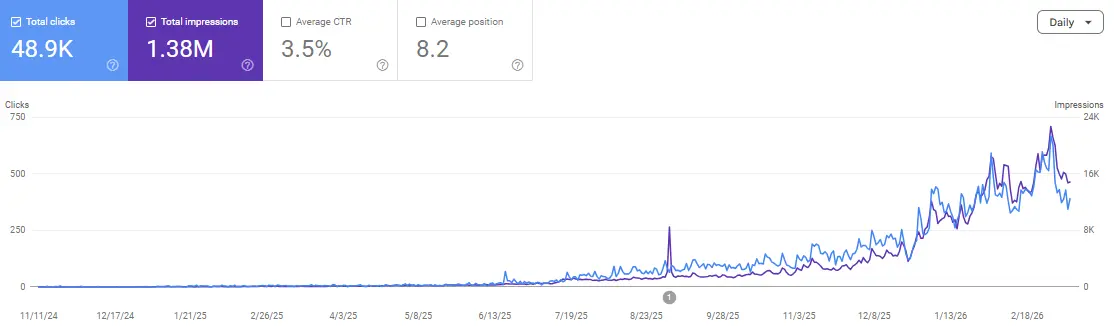
Google Search Console is useful because the Performance report shows clicks, impressions, average CTR, and average position for your property. Because of this, it can help you map real search queries to existing pages.
Step 2: Group Keywords by Topic and Search Intent
Next, group similar keywords before assigning them to pages. This makes keyword organization easier.
Example:
| Cluster | Keywords |
|---|---|
| Keyword mapping | what is keyword mapping, keyword mapping for SEO, keyword map |
| Keyword clustering | keyword clustering, keyword clusters, keyword grouping |
| Search intent | search intent, keyword intent, user intent |
However, do not group keywords only because the words look similar. Instead, check whether the user wants the same type of content.
For example, keyword mapping template may need a downloadable spreadsheet or a dedicated template section. In contrast, what is keyword mapping needs a beginner explanation and practical examples.
Step 3: Assign One Primary Keyword Per Page
Every important page should have one primary keyword. This keeps the page focused and helps you avoid mixed signals.
For this article, the setup is simple:
- Primary keyword: what is keyword mapping
- Target keyword: keyword mapping
- Secondary keywords: SEO keyword map, keyword mapping for SEO, content mapping, internal linking
- Supporting topics: keyword research, search intent, keyword cannibalization, content strategy
Secondary keywords support the topic, but they should not change the main purpose. Therefore, avoid assigning too many primary keywords to one page.
Step 4: Use Keyword Mapping to Prevent Cannibalization
Keyword cannibalization happens when multiple pages target the same keyword or search intent. As a result, your own pages may compete with each other.
Use this Google Search Console workflow:
- Open Performance.
- Click Search results.
- Go to Queries.
- Choose one important keyword.
- Click Pages.
- Check whether multiple URLs get impressions.
- Choose the best main page.
- Update, merge, redirect, or separate pages if needed.
If two pages answer the same intent, merge the weaker content into the stronger page. However, if the pages serve different intent, keep both and make the difference clearer.
Step 5: Decide When to Create a New Page
Keyword mapping does not mean every keyword needs a new article. Instead, it helps you decide when one page is enough and when a separate page is better.
Use this table:
| Keyword | Intent | Page decision |
|---|---|---|
| what is keyword mapping | Learn the concept | Main guide |
| keyword mapping example | See examples | Same article section |
| keyword mapping template | Get spreadsheet | Separate template or section |
| keyword mapping tool | Compare tools | Separate article |
This step improves your keyword strategy because each page has a clear job. Meanwhile, your content strategy becomes easier to scale.
Step 6: Build an Internal Linking Plan
Keyword mapping also helps with internal linking. Once every keyword has a page, you can connect related pages with useful anchor text.
Example internal link plan:
- Keyword clustering links to keyword mapping
- Keyword mapping links to search intent
- Search intent links to long-tail keywords
- Long-tail keywords links to keyword research checklist
- Keyword research checklist links back to keyword mapping
Google says links help it find pages and can be used as a signal when determining page relevance. Therefore, internal links should point users and search engines toward related content.
Step 7: Handle Similar Pages Carefully
Sometimes your keyword map will reveal duplicate or very similar pages. In that case, do not ignore them.
If two URLs cover the same topic, choose the stronger page as the main page. Then, merge useful content, update internal links, and use a 301 redirect when one URL is being replaced.
Google explains that when duplicate content exists, it chooses a canonical URL as the representative version. Because of this, you should link consistently to the URL you want treated as the main version.
FAQs About Keyword Mapping
What is keyword mapping?
Keyword mapping is the process of assigning keywords to specific pages. It helps each keyword have a clear target URL, search intent, and content purpose.
Why is keyword mapping important for SEO?
Keyword mapping is important because it prevents cannibalization, improves content planning, and helps search engines understand which page targets which topic.
What is the difference between keyword mapping and keyword clustering?
Keyword clustering groups related keywords together. Keyword mapping assigns those keyword clusters to the right pages.
How do I create a keyword map?
Collect keywords, group them by topic, check search intent, assign one primary keyword per page, add secondary keywords, and plan internal links.
Can one page target multiple keywords?
Yes, one page can target multiple related keywords if they share the same search intent. However, every page should still have one main primary keyword.
How does keyword mapping prevent keyword cannibalization?
Keyword mapping helps you see when multiple pages target the same keyword. Then, you can merge, redirect, update, or separate those pages more clearly.
Conclusion
What is keyword mapping? It is the process of assigning keywords to the right pages so your website has a clearer SEO structure. Instead of publishing random articles, you build a keyword map that connects keyword research, search intent, content mapping, and internal linking.
For beginners, start with a spreadsheet, collect Google Search Console queries, group keywords by topic, choose one primary keyword per page, and check for cannibalization. Over time, this simple keyword mapping for SEO process can support better content strategy and stronger topical authority.
Want help building your SEO keyword map or planning your next content cluster? Join the Scale Xpert community.