
by SX Arya | Aug 10, 2026 | SEO Guides
Implementing Open Graph tags in WordPress is either automatic through your SEO plugin or manual through theme code, depending on how your site is built. Most WordPress sites use Yoast SEO or RankMath, both of which generate Open Graph tags automatically once correctly...

by SX Arya | Aug 8, 2026 | SEO Guides
Facebook created the Open Graph protocol in 2010. It standardizes how web pages represent themselves across social platforms, messaging apps, and AI search systems. Sharing a URL on Facebook, LinkedIn, X, WhatsApp, or Telegram triggers Open Graph tags. These HTML tags...

by SX Arya | Aug 7, 2026 | SEO Guides
SEO taxonomy is the systematic classification of your website content into organized categories and subcategories. Consequently, it makes it easier for search engines and AI systems to understand your content. Furthermore, a well-built SEO taxonomy forms the absolute...
by SX Arya | Aug 6, 2026 | SEO Guides
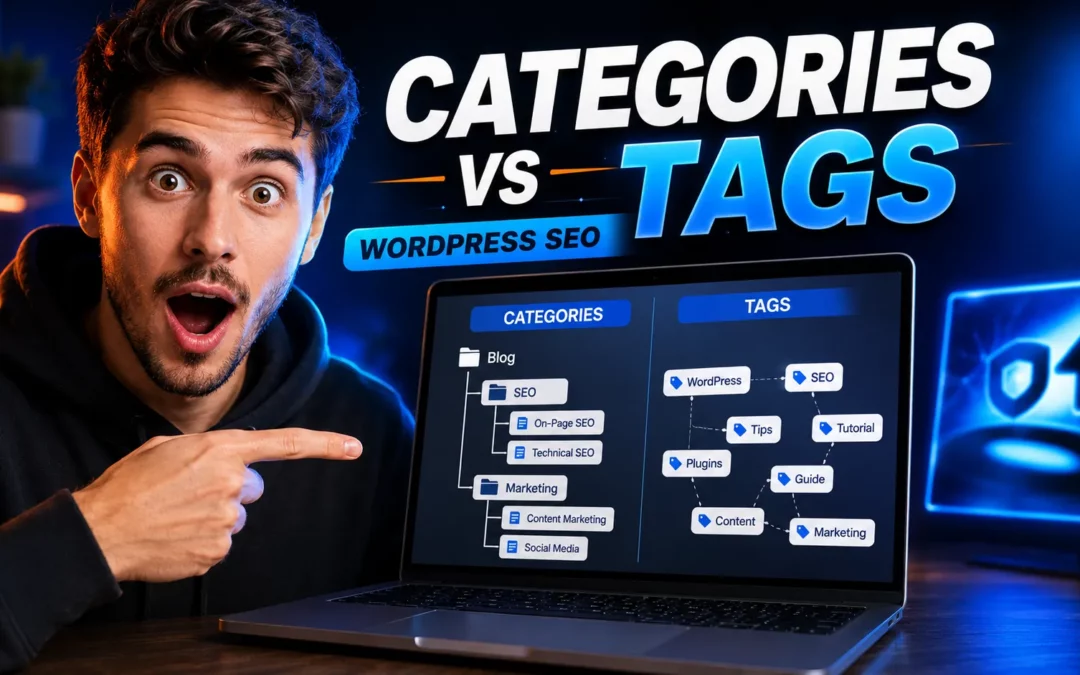
WordPress gives you two built-in taxonomy tools: categories and tags. Most sites use them wrong. Categories are hierarchical and should map directly to your top-level topic areas and subcategories, functioning as your primary navigational taxonomy. Tags are flat and...

by SX Arya | Aug 5, 2026 | SEO Guides
SEO taxonomy systematically classifies your website’s content into organized categories, subcategories, and tags. It makes it easier for search engines, users, and AI systems to understand your site coverage and content relationships. A well-built taxonomy forms...
by SX Arya | Jul 31, 2026 | SEO Guides
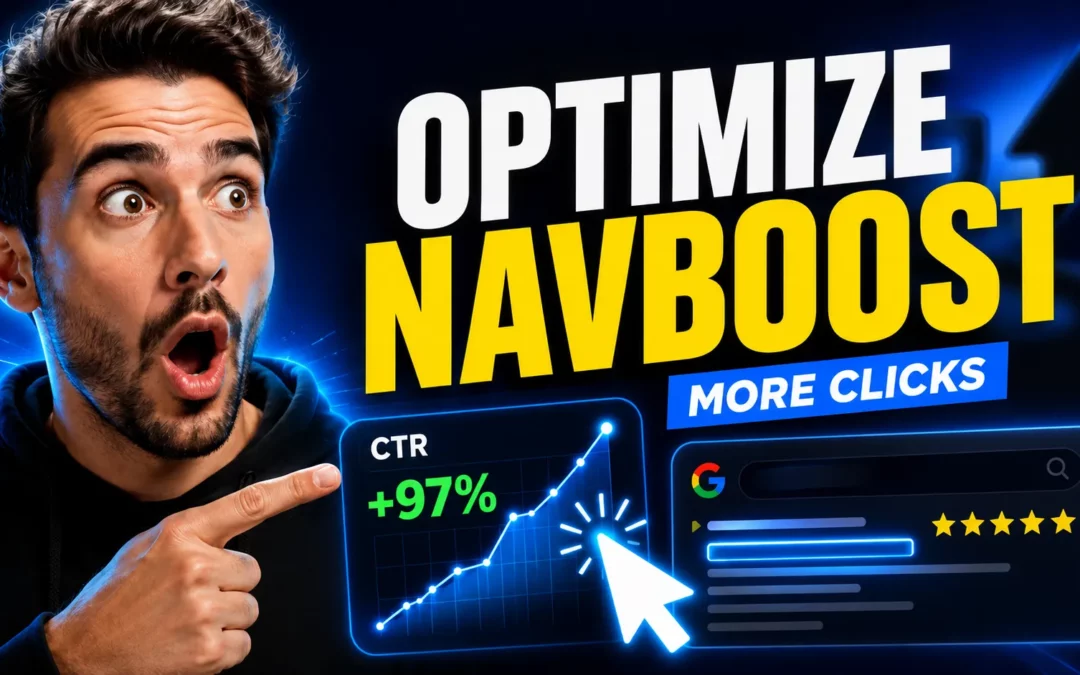
Optimizing for Navboost means building pages that generate good clicks. You also want to generate lastLongestClicks at a higher rate than competitors. This tactical framework comes from three converging sources. First, Google confirmed this behavior through DOJ...