A lot has changed since you first learned what SEO means. Generative AI is now answering many of the questions that used to send clicks straight to your site. If you want those answers to mention your brand by name, you need more than keywords and backlinks. You need generative engine optimization tools that help you show up inside AI-generated results, not just below them.
If you’re starting to explore this shift and want to see how others are adapting in real time, there are communities where SEO practitioners exchange insights, test strategies, and even collaborate quietly like this SEO-focused Discord space, where conversations often go beyond theory.
In this guide, you will see what generative engine optimization (GEO) is, why it matters right now, and how GEO tools fit into your workflow as a beginner SEO learning to navigate AI in Google search and beyond.
Understand What Generative Engine Optimization Actually Is
Generative engine optimization is the practice of optimizing your content so AI systems like ChatGPT, Google Gemini, Google AI Overviews, and Perplexity can easily find it, trust it, and cite it in their answers. Instead of fighting only for a blue link on page one, you are competing to be quoted directly in AI summaries.
This evolution builds directly on traditional SEO foundations. If you’re still strengthening your basics, understanding what is SEO content and how it ranks will help you align your content with both search engines and AI systems.
Generative engine optimization tools help you measure and improve this visibility. They show which AI platforms mention your brand, where competitors are being cited, and which topics you are trusted for.
See Why GEO Matters More With Every Algorithm Shift
You might think GEO can wait. It cannot.
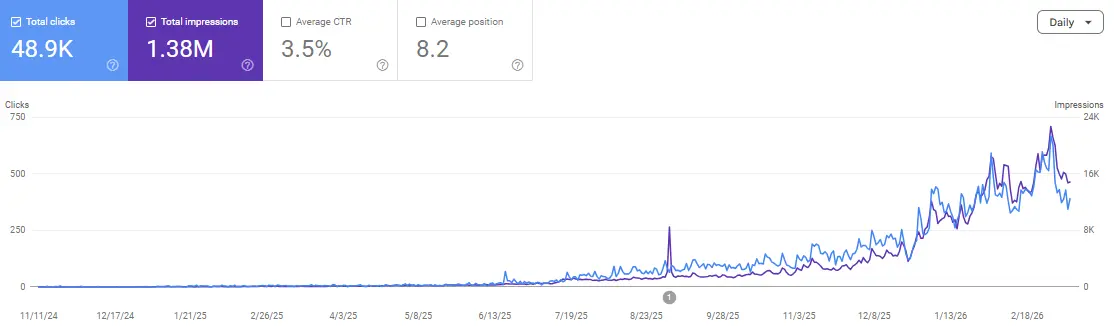
Search behavior is already changing. People still search, but increasingly rely on AI-generated summaries instead of clicking multiple links. As a result, visibility is shifting from rankings to mentions inside answers.
Google AI Overviews now dominate large portions of search results, especially in information-heavy industries. That means your content must be structured not only to rank but to be quoted.
Without GEO tools, you may assume traffic loss means failure. In reality, your brand might already appear in AI answers—you just can’t see it clearly.
Recognize How GEO Differs From Traditional SEO Tools
Traditional SEO tools focus on:
- Rankings
- Keywords
- Backlinks
However, AI engines prioritize different signals.
Instead of relying purely on links, they evaluate context, entities, and brand mentions. This is why understanding backlink fundamentals still matters but needs expansion. For example, knowing the difference between strong and weak signals becomes critical, which is explained clearly in this guide on good vs bad backlinks.
GEO tools go further by tracking:
- Brand mentions (linked and unlinked)
- AI citation frequency
- Entity understanding
- Context relevance
This gives you a completely new layer of visibility.
Learn The Core Benefits Of Using GEO Tools
Once you start using generative engine optimization tools, the advantages become clear.
First, you maintain visibility across changing search environments. You are no longer dependent on one ranking system.
Second, you attract higher-intent users. People asking AI detailed questions are often closer to taking action.
Third, you strengthen authority. When your brand appears repeatedly across AI answers, trust builds faster.
Finally, GEO tools make this measurable. Instead of guessing, you see exactly where you stand.
Understand Key GEO Metrics You Should Care About
GEO introduces new performance indicators that go beyond traditional SEO metrics.
Key ones include:
- AI Citation Rate
- Answer Box Appearances
- Entity Recognition Accuracy
- Brand Share of Voice
- Citation Sentiment
These metrics answer a deeper question: how AI systems perceive your brand, not just where you rank.
Explore The Main Types Of Generative Engine Optimization Tools
GEO tools generally fall into three categories:
All-In-One GEO Platforms
Tools like Profound or SE Visible track AI visibility across multiple engines and provide detailed insights.
SEO Platforms With GEO Features
Some platforms now integrate GEO into existing workflows, making it easier to transition without changing your entire stack.
AI Automation & Agent Tools
Advanced solutions automate optimization and tracking at scale, typically used by larger teams.
At this stage, many practitioners begin experimenting and comparing results. Interestingly, some of the most practical learnings come from shared experiences—especially in places where people test strategies together, like this SEO networking community.
See How GEO Tools Fit Into Your Daily Workflow
GEO doesn’t replace your workflow—it upgrades it.
You can start by:
- Auditing content for clear answers
- Structuring pages for easy AI extraction
- Mapping AI citations to conversions
Internal linking also becomes more strategic here. If you’re scaling content, learning how to build an SEO strategy for long-term growth helps connect GEO with your broader site architecture.
Over time, GEO insights guide how you write, structure, and prioritize content.
Focus On Practical First Steps With GEO
You don’t need advanced tools to begin.
Start with:
- Clear, direct answers at the top of pages
- Structured headings
- Focused topic clusters
- Basic schema implementation
Small improvements in clarity and structure often lead to faster AI recognition.
Understand The ROI Timeline For GEO Tools
GEO is not a long waiting game.
Typically:
- 6–12 weeks, visibility improvements
- 3–6 months, measurable business impact
Early adopters already see strong results because competition is still catching up.
Look Ahead To The Future Of GEO Tools
GEO is not temporary it’s foundational.
Future SEO will focus more on:
- Intent clusters over keywords
- AI share of voice
- Entity authority
Those who adapt early will dominate this layer of search.
Frequently Asked Questions About GEO Tools
1. Do you still need traditional SEO?
Yes. GEO builds on SEO, not replaces it.
2. Are GEO tools only for big brands?
No. Smaller sites can win by being more relevant and focused.
3. How do you choose your first GEO tool?
Start with your goal—visibility tracking or content optimization.
4. What is the first step in GEO?
Audit your content for clear, direct answers.
5. How long before results appear?
Usually within 6–12 weeks for visibility changes.
6. Is schema required for GEO?
Not mandatory, but strongly recommended.
Conclusion
Generative engine optimization tools are no longer optional. As AI answers reshape search, they quietly determine which brands gain attention and which disappear.
By adopting GEO early, you gain insight into how AI systems view your content, where you are being cited, and what needs improvement. That alone gives you a competitive advantage most sites still lack.
And if you prefer not to navigate this shift alone, it often helps to be in the right environment—somewhere ideas, collaborations, and even backlink opportunities naturally emerge, like in this SEO collaboration community.
Because in the AI era, visibility is no longer just about ranking.
It’s about being remembered and being mentioned.