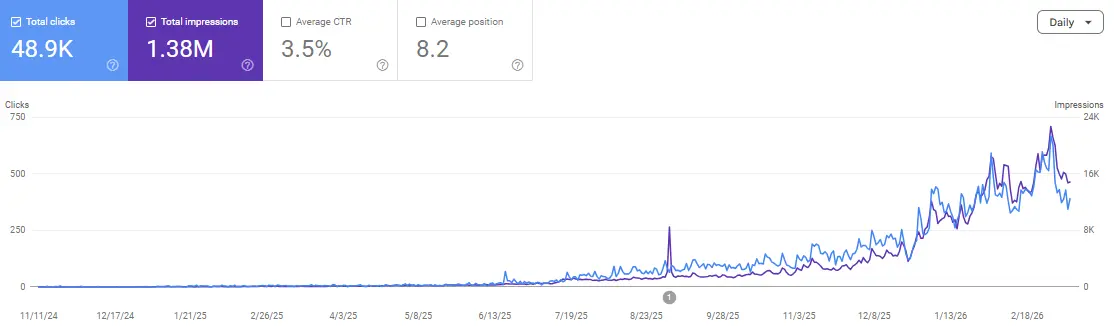
A healthy backlink profile can push your site up the rankings, while a spammy one can quietly drag everything down. When you focus on smart backlinking strategies, you protect yourself from penalties and still get the SEO boost you want.
If you spend time learning SEO, you’ll notice that many professionals don’t just rely on tools—they also exchange ideas, opportunities, and even collaborations in smaller circles. Some prefer spaces like this SEO-focused Discord community, where discussions around backlinks, outreach, and growth happen more naturally.
Below, you will learn how to earn high quality backlinks, avoid risky tactics, and clean up any bad links that may already be pointing at your site.
Understand Why Backlink Quality Matters
Backlinks are simply links from other websites to yours. However, search engines treat them like recommendations. If reputable sites link to you, it signals that your content is useful and trustworthy.
To fully grasp this, it helps to understand the fundamentals behind what are backlinks in SEO, especially how authority and relevance influence rankings.
High quality backlinks act like endorsements. They improve rankings while also sending referral traffic. On the other hand, low quality or manipulated links can trigger penalties that damage your visibility.
Therefore, your goal is not to build more links—it is to build better ones.
Know Which Backlink Tactics To Avoid
Before you scale your backlinking strategies, you need to recognize what not to do. Some shortcuts may look effective at first, but they often lead to long-term damage.
Avoid:
- Paying directly for backlinks
- Joining link farms or schemes
- Bulk link exchanges with unrelated sites
- Automated spam links
- Over-optimized anchor text
If you want a deeper breakdown of safe vs risky links, this guide on good vs bad backlinks can sharpen your judgment.
In short, relevance and authenticity always outperform manipulation.
Build Backlinks Around Strong Content
The safest and most scalable backlink strategy always starts with content worth linking to.
To make your content naturally attractive for links:
- Solve real problems your audience faces
- Create deeper, more complete resources
- Add data, examples, or unique insights
- Structure content clearly for readability
In fact, building assets specifically designed to attract links often called “linkable content” is one of the most reliable long-term strategies. If you want to explore this deeper, understanding how to create linkable content can change how you approach content entirely.
Without strong content, link building will always feel forced.
Focus On Safe, Proven Backlinking Strategies
Once your content foundation is solid, you can begin active link building safely.
Guest Blogging On Relevant Sites
Guest blogging remains one of the most effective strategies. You contribute valuable content to another site and receive a contextual backlink in return.
To keep this safe:
- Target relevant, niche-aligned sites
- Provide real value, not filler content
- Use natural anchor text
- Avoid mass guest post networks
Done correctly, this builds authority and referral traffic simultaneously.
Turn Brand Mentions Into Backlinks
Sometimes, the easiest backlinks are already there you just need to claim them.
When someone mentions your brand without linking:
- Reach out politely
- Suggest adding a link for clarity
- Provide the correct URL
Because the context already exists, this is one of the lowest-risk strategies available.
Fix Broken Backlinks To Your Site
Broken backlinks are missed opportunities. These happen when pages no longer exist or return errors.
You can:
- Restore the original page
- Redirect to a relevant page
- Contact the linking site with an update
This improves both SEO value and user experience.
Inherit Competitors’ Broken Links
You can also find broken links pointing to competitors and offer your content as a replacement.
To succeed:
- Match the original topic closely
- Personalize outreach
- Focus on value, not volume
Because you are solving a problem, success rates are often higher.
Replicate Competitors’ Best Backlinks
Instead of guessing, you can analyze where competitors get their strongest backlinks.
Then:
- Pitch similar sites
- Offer updated or better content
- Engage with relevant communities
At this stage, many SEO practitioners begin collaborating or sharing opportunities rather than working in isolation. In fact, some of the best backlink opportunities surface through conversations especially in places like this private SEO networking space, where partnerships often form organically.
Track Results And Protect Yourself From Penalties
As your backlink profile grows, tracking becomes essential.
Focus on:
- New referring domains
- Traffic from backlinks
- Ranking improvements
- Link quality signals
At the same time, watch for:
- Sudden spikes in low-quality links
- Irrelevant domains
- Over-optimized anchors
Monitoring allows you to adjust early before issues escalate.
Recover If You Already Have Spammy Backlinks
If your site has toxic backlinks, recovery is possible.
Start with:
- A full backlink audit
- Identifying harmful domains
- Using Google’s disavow tool
- Rebuilding with high-quality links
Recovery may take time, but consistent cleanup combined with strong new backlinks can restore and even improve your rankings.
Frequently Asked Questions
1. How many backlinks do you really need?
There is no fixed number. A few strong, relevant backlinks often outperform hundreds of weak ones.
2. Are reciprocal backlinks always bad?
No. Natural exchanges between relevant sites are fine. Problems arise when done at scale or without relevance.
3. Should you ever pay for backlinks?
No. Paid backlinks violate guidelines and carry significant risk.
4. How long does backlinking take to work?
Results can take weeks or months. Consistency matters more than speed.
5. What makes a backlink high quality?
Relevance, authority, natural placement, and real traffic all contribute to link quality.
6. Do nofollow backlinks help SEO?
Yes. They can drive traffic, build trust, and diversify your backlink profile.
Conclusion
When you approach backlinking strategies with intention and discipline, you can grow your rankings without risking penalties. The key is simple: prioritize quality, relevance, and long-term value.
Over time, your backlink profile becomes a true asset—not just for rankings, but for authority and trust.
And if you prefer not to figure everything out alone, it can be useful to stay connected with others experimenting in the same space. Occasionally stepping into a place like this SEO collaboration community can open doors to insights, partnerships, and opportunities that are difficult to find on your own.
Because in modern SEO, smart connections often move faster than isolated effort.