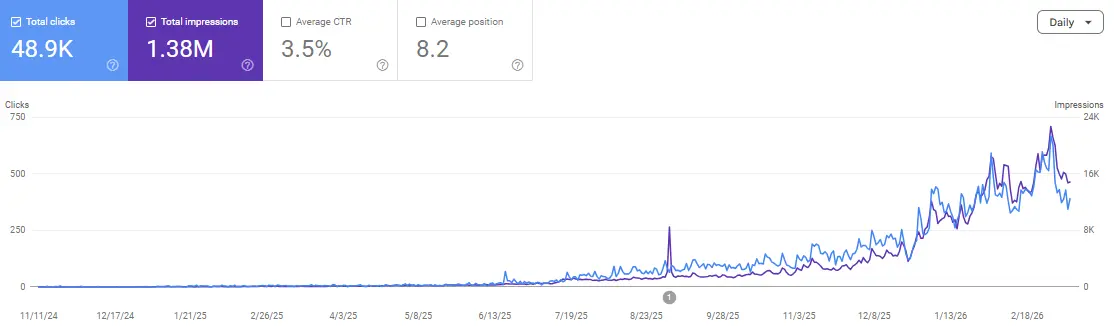
You build backlinks, follow SEO best practices, and work hard to grow your website.
However, an important question eventually arises:
How do search engines determine whether your backlinks are natural—or manipulated?
This is where many SEO strategies either succeed or fail. Today, search engines are far more sophisticated than before. Instead of simply counting backlinks, they carefully evaluate how those links are created.
As a result, an unnatural backlink profile can limit your rankings—or even trigger penalties.
In this guide, we’ll break down what makes a backlink appear natural to search engines and, more importantly, how you can build links safely and effectively.
What Are Natural Backlinks?
Natural backlinks are links that are earned organically when other websites choose to reference your content.
They are not forced, automated, or manipulated.
Instead, they happen because:
- your content is useful
- your website is trustworthy
- your information is worth sharing
For example, a blogger linking to your guide as a helpful resource is a natural backlink.
Why Natural Backlinks Matter for SEO
Search engines aim to reward websites that earn links naturally.
Why?
Because natural links indicate:
- real value
- genuine authority
- authentic recommendations
On the other hand, unnatural links often signal attempts to manipulate rankings.
A natural backlink profile helps:
- improve rankings safely
- build long-term authority
- avoid penalties
In modern SEO, how you get links matters just as much as how many you have.
Key Factors That Make Backlinks Look Natural
Search engines analyze several patterns to determine whether backlinks are natural.
Here are the most important factors.
1. Relevance Between Websites
One of the strongest signals of a natural backlink is relevance.
Links should come from websites related to your niche.
For example:
- an SEO blog linking to a marketing guide → relevant
- a random cooking website linking to SEO content → less relevant
Relevant links suggest that your content is part of a meaningful conversation.
2. Natural Anchor Text Distribution
Anchor text is the clickable text of a link.
A natural backlink profile includes a mix of anchor text types, such as:
- branded anchors
- generic phrases (e.g., “click here”)
- partial keywords
- natural sentences
If all your backlinks use the exact same keyword, it can look unnatural.
Search engines expect variety and balance.
3. Gradual Link Growth
Natural backlinks typically grow over time.
If a website suddenly gains hundreds of links overnight, it may look suspicious.
Organic link growth often happens when:
- content is shared
- articles get discovered
- websites reference your content naturally
Consistency is more important than sudden spikes.
4. Placement Within Content
Links placed inside meaningful content are more natural than those in random locations.
For example:
- links within articles → natural
- links in footers or unrelated sections → less natural
Contextual placement signals that the link provides value to readers.
5. Diversity of Link Sources
A natural backlink profile includes links from different types of websites.
Examples include:
- blogs
- news sites
- forums
- directories (relevant ones)
If all your links come from a single type of source, it may look unnatural.
Diversity suggests organic growth.
6. Quality of Linking Websites
Not all backlinks are equal.
Natural backlinks usually come from:
- reputable websites
- relevant sources
- content-driven platforms
Links from spammy or low-quality websites can harm your SEO.
Quality matters more than quantity.
7. Editorial Choice
One of the strongest signals of a natural backlink is editorial placement.
This means the link was added because someone decided it adds value—not because it was forced.
Editorial links often appear in:
- blog posts
- guides
- research articles
These links are highly trusted by search engines.
Signs of Unnatural Backlinks
To understand natural backlinks better, it helps to know what looks unnatural.
Common warning signs include:
- identical anchor text across many links
- links from unrelated websites
- sudden spikes in backlink numbers
- links from spammy or low-quality sites
- paid or automated link schemes
Avoiding these patterns helps protect your website.
How to Build Natural Backlinks
Building natural backlinks requires a long-term approach.
Here are some effective strategies.
Create Valuable Content
High-quality content is the foundation of natural link building.
Focus on:
- helpful guides
- original insights
- useful resources
- data-driven content
When content provides value, people naturally link to it.
Build Relationships
Connecting with others in your niche can lead to natural link opportunities.
Examples include:
- collaborations
- guest posts
- content mentions
Relationships often lead to organic backlinks.
Promote Your Content
Even great content needs visibility.
Share your content through:
- social media
- communities
- industry networks
The more people see your content, the higher the chance of earning links.
Focus on Long-Term Growth
Natural backlinks don’t happen instantly.
They grow over time as your content gains visibility and trust.
A steady approach is safer and more effective.
FAQs
1. What are natural backlinks?
Natural backlinks are links earned organically when other websites link to your content because it provides value.
2. Why are natural backlinks important?
They help improve rankings, build authority, and reduce the risk of penalties.
3. How can I tell if my backlinks are natural?
Look for diversity in sources, anchor text variation, and gradual growth over time.
4. Can unnatural backlinks harm SEO?
Yes. Spammy or manipulative backlinks can negatively impact rankings and credibility.
5. How long does it take to build natural backlinks?
It varies, but natural backlink growth typically happens gradually over time.
6. Is it better to have fewer high-quality backlinks?
Yes. A few high-quality, relevant backlinks are often more valuable than many low-quality ones.
Conclusion
Understanding what makes a backlink look natural is essential for building a safe and effective SEO strategy.
Search engines prioritize links that are relevant, diverse, and earned organically.
Instead of chasing quick wins, focus on creating valuable content and building genuine connections.
Over time, a natural backlink profile will help your website grow sustainably—without the risk of penalties.
If you’d like to discuss SEO and link-building strategies, feel free to join our Discord community!