Link exchange can be useful when it follows White hat SEO techniques. However, it can also become risky when websites swap links only to manipulate rankings. Many beginners see link exchange as a fast way to get backlinks, but they often miss the safety rules.
As a result, they may create toxic backlinks, repeat exact-match anchors, or build links with unrelated websites. This guide explains practical link exchange rules that help you stay closer to white hat SEO, avoid spammy backlinks, and reduce the risk of a Google manual action.
What Are White Hat SEO Techniques in Link Exchange?
White hat SEO techniques are SEO methods that focus on helping users first while staying aligned with search engine guidelines. In link exchange, this means a backlink should make sense inside the content and help the reader find useful information.
A safe link exchange is not just “you link to me, I link to you.” Instead, it should be based on relevance, trust, and natural placement. For example, an SEO blog linking to a content marketing guide can make sense when the article topic supports the link.
In contrast, exchanging links with unrelated websites only for ranking signals can look manipulative. Therefore, beginners should treat link exchange as a relationship-based tactic, not a shortcut.
Why White Hat SEO Techniques Matter for Your Website
Using White hat SEO techniques matters because your backlink profile can affect trust and long-term growth. A risky exchange may look helpful at first, but it can create problems later.
- They reduce penalty risk. Relevant links are safer than random link swaps. Because of this, you should check every site before agreeing to an exchange.
- They protect organic traffic. Spammy backlinks can lead to organic traffic loss when they create unnatural patterns. A cleaner backlink profile is easier to manage.
- They build better authority. Links from trusted, relevant websites usually support your topic better. In addition, they can bring referral traffic from real readers.
- They make recovery easier. If you avoid risky tactics now, you are less likely to need Google penalty recovery later. Prevention is easier than cleanup.
How to Use White Hat SEO Techniques for Link Exchange: Step-by-Step
- Check topic relevance first.
Start by asking whether both websites serve a similar audience. For example, an SEO blog and a SaaS marketing blog may be a good match. However, an SEO site exchanging links with a gambling, loan, or unrelated coupon site is a warning sign. - Review the website manually.
Open the site and read a few articles before agreeing to anything. Check whether the content is useful, readable, and focused. If the site publishes random topics every day, it may not be a safe partner. - Make sure the link helps the reader.
A white hat link should have a clear purpose. Instead of placing the link in a random sentence, add it where it supports the topic. For example, a guide about backlink quality can naturally link to an article about checking toxic backlinks. - Use natural anchor text.
Avoid keyword stuffing in anchor text. Repeating the same exact keyword in every link can look forced. Instead, use branded anchors, partial-match anchors, URL anchors, and descriptive link text. - Avoid large-scale reciprocal patterns.
One relevant link exchange with a trusted partner is different from joining a group that swaps links at scale. Large patterns can look unnatural because the same behavior repeats across many websites. Therefore, keep exchanges occasional and selective. - Track link exchanges in Google Search Console.
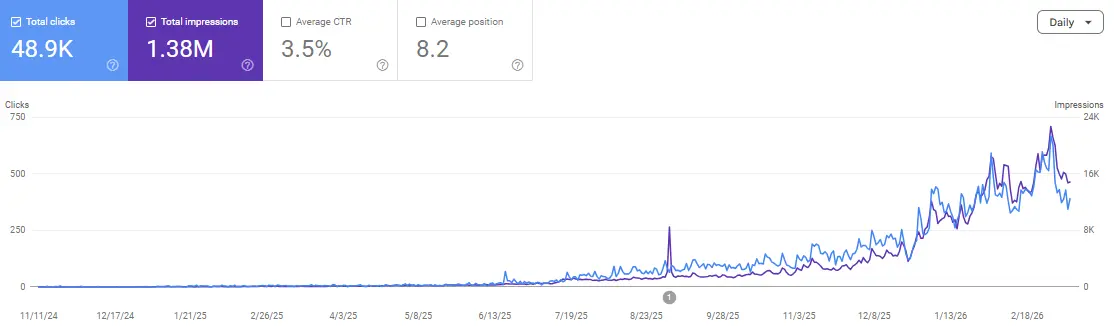
Use Google Search Console to monitor performance, manual action warnings, and organic traffic loss. In addition, keep a spreadsheet with the partner site, target page, anchor text, and date added. This makes it easier to review links later.
Common Mistakes to Avoid
- Exchanging links with unrelated websites.
Relevance is the first rule. If the website does not match your niche or audience, skip the exchange. - Using exact-match anchors too often.
Aggressive anchor text can look unnatural. Use natural phrases that fit the sentence instead. - Ignoring toxic backlinks.
Some websites look fine at first but link to spammy niches. Check outbound links before accepting the opportunity. - Treating link exchange as your only backlink strategy.
Link exchange should not be your whole off-page SEO plan. Mix it with guest posts, digital PR, resource pages, and real partnerships. - Copying black hat tactics.
Avoid private blog networks, cloaking, doorway pages, and thin content created only for links. These tactics move you away from White hat SEO techniques.
White Hat Link Exchange Checklist
Before accepting a link exchange, use a simple checklist. First, ask whether the website is related to your niche. Next, check whether the page is indexed and useful.
Then, review the anchor text and link placement. If the link feels forced, rewrite the sentence or reject the opportunity. In addition, check whether the site links to spammy backlinks, private blog networks, or unrelated commercial pages.
A safer link exchange should pass these checks:
- The website is relevant to your topic.
- The content is useful and not thin content.
- The link placement feels natural.
- The anchor text is not over-optimized.
- The page is indexed.
- The outbound links look clean.
- The exchange is occasional, not repeated at scale.
When Link Exchange Is Not Worth It
Some link exchanges are not worth the risk. If the website has poor content, no clear audience, or many unrelated outbound links, move on.
You should also avoid exchanges where the partner demands exact-match anchor text. That can create a keyword stuffing pattern over time. Meanwhile, links from spam-heavy websites can weaken your backlink profile instead of improving it.
If a website uses cloaking, doorway pages, or obvious link schemes, do not connect your site to it. A clean link profile is more valuable than a quick link.
Safer Alternatives to Risky Link Exchange
Link exchange is only one way to build backlinks. White hat SEO works better when you use several safe methods together.
Guest posting can work when the website is relevant and the article is helpful. Resource page outreach is also useful when your page is a guide, checklist, or tool. In addition, digital PR can help you earn mentions from trusted websites.
You can also build links through expert quotes, original research, community mentions, and niche partnerships. These methods often take more effort, but they are safer than spammy backlinks or private blog networks.
Frequently Asked Questions
Is link exchange part of White hat SEO techniques?
It can be, but only when the exchange is relevant, useful, and natural. If the link exists only to manipulate rankings, it becomes risky.
Can link exchange cause a Google manual action?
Yes, it can if the exchange is excessive, unrelated, or part of a link scheme. Always check relevance, anchor text, and link placement before agreeing.
How many link exchanges are safe?
There is no fixed number. However, link exchange should be occasional and not the main source of your backlinks.
Are toxic backlinks always dangerous?
Not every weak backlink is dangerous. However, a pattern of toxic backlinks from spammy sites can create ranking risk and organic traffic loss.
Should I use Google Search Console for link exchange checks?
Yes. Google Search Console can help you monitor performance, manual actions, and traffic changes after link activity.
What should I do instead of risky link exchange?
Use safer methods like guest posting, resource pages, digital PR, expert quotes, and helpful content. These White hat SEO techniques build trust more naturally.
Conclusion
Link exchange can fit within White hat SEO techniques when it is relevant, useful, and done carefully. However, it becomes risky when websites swap links at scale, use keyword stuffing, or connect with unrelated sites. Therefore, always check the partner website, anchor text, content quality, and outbound links before agreeing.
If you are unsure whether a link exchange is safe, join the Scale Xpert Discord community and ask other SEO learners for feedback. Build links slowly, protect your site, and choose trust over shortcuts.