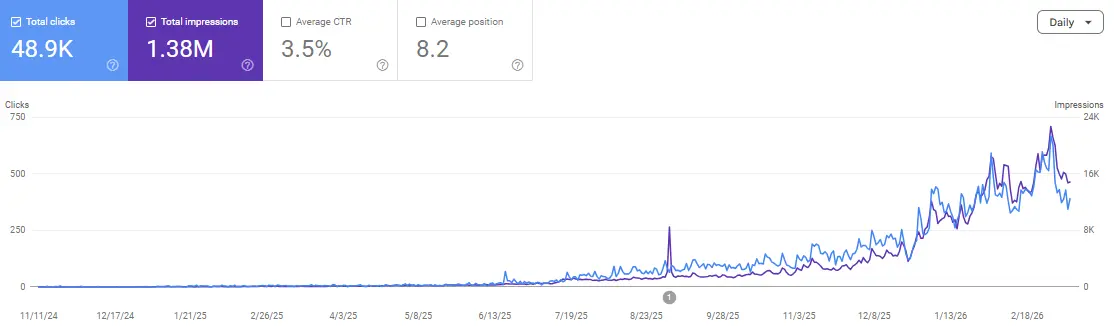
Learning how to build white-hat links safely is one of the smartest SEO skills you can develop in 2026. While backlinks still matter, search engines have become better at spotting manipulative tactics, low-quality placements, and unnatural link patterns. Therefore, the safest long-term strategy is to earn links through relevance, value, and trust.
For beginners, white-hat link building may sound slow compared to shortcuts. However, it is much more sustainable. In addition, it helps you grow rankings without depending on tactics that may lose value or create risk later.
This guide explains what white-hat links are, why they matter, and how to build them safely in 2026. You will also learn which methods work best, what mistakes to avoid, and how to create a link building process that supports real SEO growth.
What Are White-Hat Links?
White-hat links are backlinks earned through ethical, search-friendly methods. In simple terms, they come from real websites that choose to link to your content because it is useful, relevant, or worth mentioning.
These links are different from manipulative links built through spam, deception, or bulk paid tactics. Therefore, when you build white-hat links, the focus is on earning trust instead of forcing results.
Simple Definition for Beginners
A simple way to understand white-hat link building is this: you create something valuable, promote it properly, and earn links from websites that genuinely want to reference it.
White-hat links usually come from:
- relevant blogs
- industry publications
- resource pages
- news or media mentions
- partner websites
- niche communities
- useful guest contributions
Why White-Hat Link Building Matters in 2026
SEO keeps evolving, but high-quality backlinks still matter. However, the way websites earn them matters just as much. Search engines now place much more importance on context, quality, trust, and usefulness.
That is why learning how to build white-hat links safely in 2026 is important. Instead of chasing link volume, you need to focus on credibility and relevance. As a result, your backlink profile looks more natural and supports stronger long-term rankings.
Main Benefits of White-Hat Links
White-hat links can help you:
- improve keyword rankings
- strengthen website authority
- attract referral traffic
- build topical relevance
- reduce SEO risk
- support long-term growth
In addition, these links often bring real readers, not just SEO value.
White-Hat vs Black-Hat Link Building
The difference between white-hat and black-hat link building is mainly about intent and method.
White-hat link building focuses on earning links through value, relevance, and legitimate outreach. Black-hat link building focuses on manipulating rankings through shortcuts such as spam, link schemes, or low-quality paid networks.
White-Hat Link Building Often Includes
- useful content promotion
- guest posting on relevant websites
- digital PR
- unlinked mention outreach
- broken link building
- resource page outreach
- partnerships and collaborations
Black-Hat Link Building Often Includes
- buying bulk backlinks
- private blog networks
- link farms
- automated comment spam
- irrelevant paid placements
- large-scale low-quality guest posting
Therefore, if you want safe SEO growth, white-hat methods are the better path.
What Makes a Link White-Hat and Safe?
Not every backlink is automatically safe just because it came from outreach. A safe link usually has several quality signals working together.
A White-Hat Link Is Usually:
- relevant to your topic
- placed naturally in content
- useful to readers
- from a real, active website
- earned through honest promotion
- not part of a manipulative scheme
This matters because the goal is not just to get a link. The goal is to build white-hat links that make sense for both users and search engines.
Step 1: Create Content Worth Linking To
Before outreach starts, you need something worth linking to. If your content adds little value, even the best outreach email will struggle.
That is why the first step to build white-hat links is creating pages that solve problems, explain topics clearly, or offer something useful that other websites may want to reference.
Best Types of Link-Worthy Content
Some content formats earn white-hat links more easily than others:
- in-depth guides
- original research
- case studies
- statistics roundups
- free tools
- checklists
- templates
- resource pages
For example, a clear beginner guide or practical industry checklist can be much easier to promote than a generic homepage.
Step 2: Focus on Relevance First
In 2026, relevance matters more than random authority. A highly relevant backlink from a niche site can be more useful than a link from a broad but unrelated page.
Therefore, when you try to build white-hat links, target websites that overlap with your topic, audience, or industry.
Good Questions to Ask
Before reaching out, ask:
- Does this website cover topics related to mine?
- Would its readers care about my content?
- Does my page fit naturally into one of its articles?
- Is the site active, useful, and trustworthy?
If the answer is yes, the opportunity is usually stronger.
Step 3: Use Guest Posting the Right Way
Guest posting is still a valid white-hat tactic when done properly. However, it only works well when the website is relevant and the article genuinely helps its audience.
The key is to contribute useful content first, not to treat guest posts as a quick link drop.
Safe Guest Posting Tips
To use guest posting safely:
- target relevant websites only
- pitch useful article ideas
- write original content
- place links naturally
- avoid exact-match anchor text overload
- do not mass-submit low-quality posts
Therefore, good guest posting is closer to content collaboration than link manipulation.
Step 4: Turn Brand Mentions Into Links
One of the easiest ways to build white-hat links is by finding websites that already mention your brand without linking to you. These are called unlinked brand mentions.
Because the site already knows your brand, the outreach usually feels more natural than cold pitching. In addition, the mention already exists, so the request is small and practical.
How This Works
The process is simple:
- Find websites mentioning your brand name
- Check whether the mention includes a link
- Contact the editor or writer politely
- Ask whether they can add the relevant link
This tactic is especially useful for growing brands, tools, and businesses with some existing visibility.
Step 5: Use Resource Page Outreach
Resource pages are collections of useful tools, guides, or references. If your content is genuinely useful, these can become strong white-hat opportunities.
However, you should only pitch pages that truly fit. Otherwise, the request feels forced and is unlikely to succeed.
Best Content for Resource Pages
Resource page outreach works especially well with:
- useful guides
- educational content
- industry tools
- templates
- beginner resources
- research-based articles
Therefore, this is a smart method if your content has clear practical value.
Step 6: Try Broken Link Building
Broken link building is another safe method to build white-hat links. The idea is simple: find broken outbound links on relevant websites, then suggest your own content as a replacement if it matches the missing topic.
This tactic works because it helps the site owner fix a problem while also giving you a backlink opportunity.
Why It Is Considered White-Hat
Broken link building is white-hat when:
- your replacement content is relevant
- the outreach is honest
- the link genuinely improves the page
- you are helping rather than manipulating
In addition, it often works better when the replacement content is current, clear, and well structured.
Step 7: Use Digital PR for Stronger Links
Digital PR is one of the most effective ways to build white-hat links from trusted sites. Instead of asking directly for a backlink, you create something newsworthy or useful enough that journalists and publishers want to mention it.
This may include original data, expert insights, surveys, trend commentary, or creative campaigns.
Why Digital PR Is Valuable
Digital PR can help you earn:
- media mentions
- editorial backlinks
- higher-authority links
- stronger brand awareness
- broader trust signals
Therefore, while it often takes more effort, it can produce some of the strongest white-hat links available.
Step 8: Build Real Relationships in Your Niche
One of the safest link building strategies is also one of the most overlooked: building real relationships. Bloggers, creators, editors, and business owners are more likely to link to people they know, trust, or have interacted with before.
This does not mean asking everyone for a link. Instead, it means becoming visible in your niche through useful contributions and genuine engagement.
Ways to Build Relationships
You can do this by:
- commenting thoughtfully on industry content
- sharing others’ work
- interviewing experts
- joining niche communities
- collaborating on content
- supporting relevant creators
Over time, these relationships can lead to natural white-hat link opportunities.
Step 9: Keep Anchor Text Natural
Anchor text still matters, but over-optimizing it creates risk. If too many backlinks use the same exact keyword, your profile can look unnatural.
Therefore, when you build white-hat links, keep anchor text varied and natural.
Safer Anchor Text Types
A healthy backlink profile usually includes:
- branded anchors
- URL anchors
- natural phrase anchors
- generic anchors
- limited keyword-rich anchors
This helps your link profile look more organic and believable.
Step 10: Prioritize Quality Over Volume
A common beginner mistake is thinking that more links always means better SEO. In reality, a few strong, relevant white-hat links can be more valuable than dozens of weak ones.
Therefore, the goal should not be fast volume. The goal should be steady, trustworthy growth.
Common Mistakes to Avoid
Even when trying to stay safe, people still make avoidable errors.
Avoid These Problems
- chasing any link without checking relevance
- sending generic outreach emails
- publishing weak guest posts
- relying too much on exact-match anchors
- targeting only homepage links
- ignoring content quality
- buying cheap links and calling them white-hat
However, these issues are avoidable if you stay focused on value and relevance.
Simple White-Hat Link Building Plan for Beginners
If you are new to this, start with a small and repeatable system.
Beginner-Friendly Plan
Week 1
- publish one strong link-worthy page
- identify relevant websites in your niche
Week 2
- find resource pages and guest post targets
- look for unlinked brand mentions
Week 3
- send personalized outreach emails
- test one broken link building campaign
Week 4
- review responses
- track new links
- improve your pitch and repeat
This approach is slower than spam tactics. However, it is much safer and more sustainable.
FAQs
1. What does it mean to build white-hat links?
It means earning backlinks through ethical, search-friendly methods such as useful content, outreach, digital PR, and relevant collaborations.
2. Are white-hat links still effective in 2026?
Yes, absolutely. In fact, white-hat links are even more important because search engines value relevance, trust, and natural link patterns more than ever.
3. What is the safest way to build white-hat links?
Some of the safest methods include guest posting on relevant sites, resource page outreach, digital PR, broken link building, and unlinked mention outreach.
4. Can beginners build white-hat links without paying?
Yes. Many white-hat strategies rely more on content quality and outreach than on spending money.
5. Is guest posting still white-hat?
Yes, when it is done properly. It should involve useful original content on relevant websites, not low-quality bulk placements.
6. How long does white-hat link building take?
It usually takes time. Some links may come quickly, but strong white-hat results often build gradually over weeks or months.
7. Are all paid links unsafe?
Paid placements can create risk, especially when they are designed mainly to manipulate rankings. Therefore, it is safer to focus on earned links and transparent promotion.
Conclusion
To build white-hat links safely in 2026, you need to think beyond shortcuts. The strongest link building comes from useful content, relevant outreach, honest promotion, and real trust.
That approach may take more effort at first. However, it gives you a backlink profile that is more natural, more resilient, and more valuable over time. Therefore, if you want safer SEO growth, focus on earning links that genuinely make sense for readers, not just search engines.
Let’s talk about SEO and link building! Join our Discord community and connect with like-minded people.