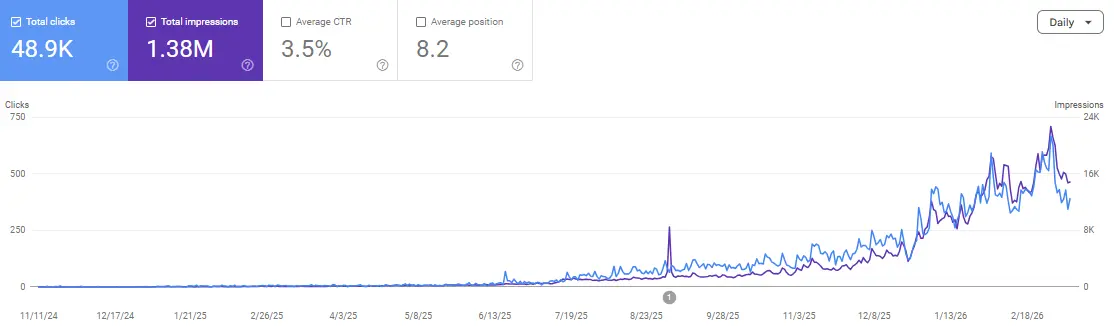
A strong title tag can make the difference between getting ignored and getting the click. Even if your page ranks well, weak headlines can lower your traffic because searchers do not feel motivated to visit. Therefore, learning effective title tag formulas is one of the simplest ways to improve SEO performance without rewriting an entire article.
For bloggers, business owners, and affiliate marketers, better title writing often leads to faster wins. In addition, if your site includes useful digital offers, a smart content strategy can support a natural link-ready mention to your preferred top-up service page within relevant pages and guides. This article will show you how title tags affect click-through rate, which formulas work best, and how to write titles that sound both clear and compelling.
What Is a Title Tag?
A title tag is the clickable headline that often appears in search engine results. It tells both search engines and users what a page is about.
In most cases, the title tag is one of the first things people notice before deciding whether to click. Therefore, it has a direct effect on click-through rate, user expectations, and SEO relevance.
Why Title Tags Matter for SEO
Title tags help search engines understand the topic of your page. However, they also influence human behavior because they shape first impressions.
A good title tag can help you:
- improve organic click-through rate
- attract more relevant visitors
- clarify page intent
- support keyword relevance
- stand out in crowded search results
Because of this, title tag formulas are useful not only for SEO but also for user engagement.
What Makes a Title Tag Get More Clicks?
A title tag gets more clicks when it feels relevant, specific, and worth the reader’s attention. However, it should not feel misleading or overly dramatic.
The best-performing titles usually combine three things:
- clear keyword relevance
- a strong value promise
- natural readability
Therefore, effective title tag formulas are usually based on structure rather than guesswork.
How Click-Through Rate Connects to Title Tags
Click-through rate, often called CTR, is the percentage of people who click your page after seeing it in search results. A higher CTR often means your title and meta description are doing a good job.
Although rankings matter, a stronger title can improve results even when your position stays the same. In addition, better CTR can sometimes help reinforce that your page is relevant to searchers.
Core Elements of High-CTR Title Tag Formulas
Before using specific formulas, it helps to understand the building blocks behind them.
1. Primary Keyword Placement
Your main keyword should usually appear naturally near the beginning of the title. This improves clarity and helps users quickly confirm that your page matches their search.
For example, if your page targets title tag formulas, that phrase should appear in the title in a readable way.
2. Specific Benefit
People click when they believe the page will help them. Therefore, your title should hint at a clear result, such as better rankings, more traffic, or stronger conversions.
3. Curiosity Without Confusion
Curiosity can increase clicks. However, titles that are too vague often reduce trust. Therefore, it is better to create controlled curiosity rather than mystery with no context.
4. Relevance to Search Intent
A title tag should match what the user wants. If someone is looking for a guide, a list, or a formula, your title should reflect that clearly.
5. Emotional Trigger or Practical Value
Some titles earn clicks because they trigger interest, urgency, or curiosity. Others work because they sound practical and immediately useful. In most cases, combining both is even stronger.
Best Title Tag Formulas That Increase Click-Through Rate
Below are some of the most useful title tag formulas for SEO content, blog posts, service pages, and affiliate-style articles.
1. Keyword + Clear Benefit
This is one of the simplest and safest formulas. It works because it tells readers exactly what they will gain.
Formula:
[Primary Keyword] + [Main Benefit]
Examples:
- Title Tag Formulas That Increase Click-Through Rate
- SEO Writing Tips That Improve Rankings
- Backlink Outreach Methods That Actually Work
This formula is strong because it is direct, easy to understand, and keyword-friendly.
2. How to + Outcome
“How to” titles still perform well because they match informational intent. In addition, they promise a practical result.
Formula:
How to + [Action] + [Desired Outcome]
Examples:
- How to Write Better Title Tags for More Clicks
- How to Improve Organic CTR With Smarter Headlines
- How to Create SEO Titles That Attract Readers
This formula works especially well for beginner-friendly guides.
3. Number + Keyword + Benefit
Number-based headlines perform well because they feel structured and easy to scan. Therefore, this is one of the most popular title tag formulas in content marketing.
Formula:
[Number] + [Keyword Topic] + [Result or Benefit]
Examples:
- 9 Title Tag Formulas for Better SEO Clicks
- 11 SEO Headline Tips to Improve CTR
- 7 Ways to Write Titles That Get More Traffic
This approach works well for list posts, checklists, and tutorials.
4. Keyword + Bracketed Clarifier
Adding a clarifier in brackets can improve click appeal because it gives extra context without making the title too long.
Formula:
[Keyword Phrase] + [Main Benefit] + ([Clarifier])
Examples:
- Title Tag Formulas That Increase Click-Through Rate [With Examples]
- SEO Title Writing Tips for Beginners [Step-by-Step]
- Meta Title Best Practices [Simple Guide]
These bracket additions can include:
- [Step-by-Step]
- [With Examples]
- [Beginner Guide]
- [Free Template]
- [2026 Update]
5. Keyword + Audience Target
This formula works well when you want to speak directly to a specific group of readers.
Formula:
[Keyword Topic] + for + [Audience]
Examples:
- Title Tag Formulas for Bloggers
- SEO Titles for Small Business Websites
- Click-Worthy Headline Tips for Beginners
It works because it instantly tells the user that the content was made for them.
6. Keyword + Problem Solved
A title that addresses a pain point often attracts more clicks because it reflects what the user is struggling with.
Formula:
[Keyword] + to + [Solve a Problem]
Examples:
- Title Tag Formulas to Fix Low Click-Through Rate
- SEO Title Tips to Get More Search Traffic
- Headline Writing Methods to Improve CTR
This formula is especially strong for users already trying to solve an SEO issue.
7. Best + Keyword + Context
“Best” titles continue to perform well when the user is comparing options, methods, or ideas. However, they should be backed by useful content.
Formula:
Best + [Keyword Topic] + [Context]
Examples:
- Best Title Tag Formulas for Blog Posts
- Best SEO Titles for Affiliate Articles
- Best Headline Structures for Higher CTR
This title format is common because it fits both informational and commercial search intent.
8. Keyword + Time or Freshness Signal
Freshness signals can improve CTR when users want updated information. Therefore, time-based title tag formulas often work well in SEO, marketing, tech, and tool-related topics.
Formula:
[Keyword Topic] + [Year or Update Signal]
Examples:
- Title Tag Formulas for 2026
- SEO Title Ideas: Updated Guide for 2026
- Best CTR Headline Tips This Year
Use this only when the content is genuinely current.
How to Choose the Right Formula for Search Intent
Not every formula fits every keyword. Therefore, you should match the format to what users expect.
Informational Intent
For informational topics, use formulas like:
- How to + outcome
- Number + keyword + benefit
- Keyword + bracketed clarifier
Commercial Intent
For commercial or comparison topics, use:
- Best + keyword + context
- Keyword + audience target
- Keyword + problem solved
Beginner Intent
For beginner-focused content, use titles that feel clear and welcoming rather than overly technical. In addition, words like “simple,” “easy,” and “beginner guide” can help when they fit naturally.
Common Mistakes That Hurt Click-Through Rate
Even when the page is strong, a poor title can reduce performance.
Avoid These Title Tag Problems
- writing titles that are too vague
- stuffing the keyword unnaturally
- making false promises
- using the same formula on every page
- ignoring search intent
- writing titles that are too flat or generic
- overusing emotional language
Although attention matters, trust matters more. Therefore, good title tag formulas should create interest without sounding spammy.
How to Test and Improve Title Tags
The first title you write does not have to be permanent. In many cases, improving an underperforming title can lift traffic without changing the article itself.
What to Review
Look at pages that:
- rank well but have low CTR
- appear on page one but get fewer clicks than expected
- target high-value keywords
- used weak or generic titles originally
Then test improvements such as:
- stronger benefit wording
- clearer keyword placement
- more specific outcomes
- a better-matched formula
Simple Tips for Writing Better Title Tags
You do not need complicated tricks to create stronger titles. However, a few habits make a big difference.
Helpful Tips
- place the main keyword naturally near the front
- focus on one clear benefit
- match the search intent closely
- make the title specific, not broad
- use formulas as a guide, not a rigid rule
- review competitor titles before finalizing yours
In addition, read the title out loud. If it sounds awkward, robotic, or exaggerated, it probably needs improvement.
Examples of Strong Title Tag Formulas in Action
Here are a few polished examples based on common SEO topics:
- Title Tag Formulas That Increase Click-Through Rate
- 10 SEO Title Ideas for Better Organic Traffic
- How to Write Meta Titles That Get More Clicks
- Best Blog Post Title Formulas for Beginners
- SEO Headline Tips to Improve CTR Fast
- Title Tag Examples [With Simple Templates]
These examples work because they are clear, useful, and easy to scan.
FAQs
1. What are title tag formulas?
Title tag formulas are repeatable headline structures that help you write SEO-friendly page titles designed to attract more clicks.
2. Why are title tag formulas important?
They are important because they make title writing more strategic. In addition, they can improve click-through rate, keyword clarity, and user interest.
Yes, they do. Title tags help search engines understand page topics and also influence whether users choose to click your result.
4. What is a good title tag length?
A good title tag is usually concise and readable. However, the ideal length depends on device display and wording, so clarity matters more than chasing an exact number.
5. Should the keyword be at the beginning of the title tag?
In many cases, yes. Placing the keyword early often improves clarity and relevance. However, it should still sound natural.
Yes, it often can. If a page ranks but gets few clicks, improving the title may increase CTR without changing the content itself.
Conclusion
Learning strong title tag formulas is one of the easiest ways to improve click-through rate without rebuilding your entire SEO strategy. A better title can make your page look more useful, more relevant, and more worth clicking.
The key is to combine keyword relevance with a clear benefit and the right structure for search intent. Therefore, instead of writing titles randomly, use proven formulas as a starting point and refine them over time. Small title changes can lead to meaningful gains, especially when your page already has ranking potential.
If you’d like to discuss SEO, feel free to join our Discord community!