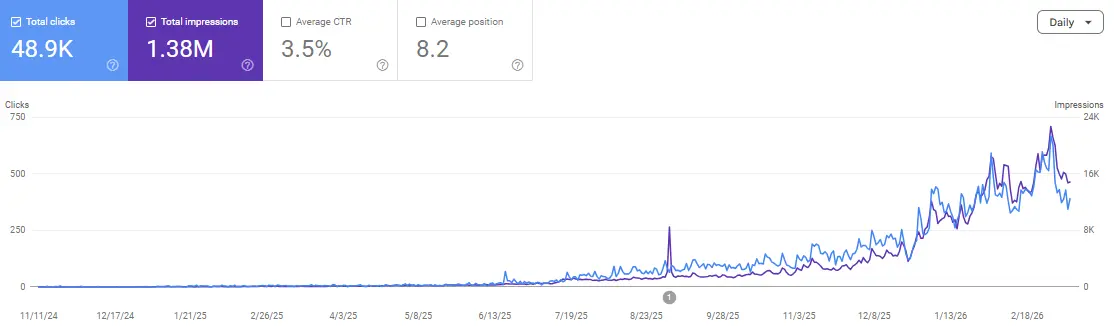
A strong website is not built only by publishing new posts. Just as important, you need to review what is already on your site and improve pages that are outdated, underperforming, or no longer useful. That is where content audit SEO becomes valuable, because it helps you understand what is working, what is weak, and what needs to change.
For websites that want more organic traffic and better performance, a regular content review can uncover quick wins. In addition, it can help you find pages that deserve updates, stronger internal links, or a clearer keyword focus. If your site also supports digital products or services, this process can naturally create better opportunities to connect readers with a trusted top-up service page through a relevant internal link.
This guide explains how to run a practical content audit, what metrics to check, and how to turn your findings into real improvements. Therefore, instead of guessing what to fix, you can make informed decisions that support rankings, user experience, and long-term growth.
What Is a Content Audit in SEO?
A content audit is the process of reviewing your existing website content to evaluate its quality, relevance, SEO performance, and usefulness. In simple terms, it helps you understand whether each page still deserves to stay as it is, needs improvement, or should be removed.
The goal of content audit SEO is not only to find weak pages. It is also to spot hidden opportunities. For example, a page with decent backlinks but declining traffic may only need an update to perform well again.
Simple Definition for Beginners
A content audit means checking your published pages one by one and asking important questions, such as:
- Is this page still useful?
- Does it match current search intent?
- Is it bringing traffic or conversions?
- Does it need updating, merging, or deleting?
Therefore, a content audit is both an SEO task and a content quality task.
Why Content Audit SEO Matters
Many websites publish content for months or years without reviewing older pages. However, search trends, user expectations, and competitor content keep changing. As a result, old content can slowly lose value.
A proper content audit SEO process helps you avoid that problem. In addition, it can improve your overall site quality by reducing thin content, fixing overlap, and making stronger pages even better.
Key Benefits of a Content Audit
A good content audit can help you:
- Improve keyword rankings
- Increase organic traffic
- Refresh outdated information
- Fix keyword cannibalization
- Remove low-value pages
- Strengthen internal linking
- Improve user experience
- Increase conversions from existing content
Because of these benefits, content audits are often more efficient than creating new content from scratch.
When Should You Do a Content Audit?
There is no single perfect schedule. However, most websites benefit from reviewing content regularly, especially if they publish often or compete in a fast-changing niche.
A content audit is especially useful when:
- Traffic has started to decline
- Rankings are unstable
- Your site has many old blog posts
- You want to improve topical authority
- You plan a new SEO strategy
- You suspect duplicate or overlapping content
Therefore, even a simple audit once or twice a year can make a noticeable difference.
What Content Should Be Included?
In most cases, you should review all important indexable content on your site. That includes more than just blog posts.
Pages Commonly Included in a Content Audit
Your audit may include:
- Blog posts
- Landing pages
- Service pages
- Product pages
- Category pages
- Evergreen guides
- Resource pages
However, you can start with your most important sections first if your website is large.
Step 1: Build a Content Inventory
The first step in content audit SEO is creating a list of your content. This is often called a content inventory. Without it, you cannot review pages in a structured way.
You can use a spreadsheet and include details such as:
- URL
- Page title
- Content type
- Publish date
- Last update date
- Primary keyword
- Traffic
- Backlinks
- Conversions
- Action needed
This gives you a clear view of your site before making changes.
Step 2: Review Performance Metrics
Once your inventory is ready, the next step is checking how each page performs. Data helps you decide whether to keep, improve, merge, or remove content.
Metrics to Analyze
Focus on useful signals such as:
- Organic traffic
- Keyword rankings
- Click-through rate
- Bounce rate or engagement signals
- Backlinks
- Conversion performance
- Time on page
- Indexing status
However, do not rely on one metric alone. A page with low traffic may still be valuable if it drives conversions or supports internal linking.
Step 3: Evaluate Content Quality
Numbers matter, but content quality matters just as much. Therefore, each page should also be reviewed manually.
Questions to Ask During Quality Review
Ask whether the content:
- Is accurate and up to date
- Matches user intent
- Covers the topic clearly
- Uses a strong structure
- Includes helpful examples
- Feels readable and trustworthy
- Supports your brand goals
If a page feels thin, outdated, or unclear, it is a strong candidate for improvement.
Step 4: Check SEO Relevance
A content audit should also review whether the page still supports your current SEO goals. Sometimes a page is well written but poorly aligned with the keyword it targets.
SEO Elements to Review
Look at:
- Title tag
- meta description
- H1 heading
- H2 and H3 structure
- keyword targeting
- internal links
- image alt text
- URL clarity
In addition, review whether the page targets the right search intent. A mismatch here can hold back rankings even if the writing is strong.
Step 5: Identify Content Issues
As you go through the audit, common patterns will start to appear. This is where content audit SEO becomes especially useful, because you can spot problems across the whole site.
Common Issues Found in Audits
You may discover:
- Outdated information
- Thin content
- Duplicate pages
- Keyword cannibalization
- Broken links
- Weak internal linking
- Low-value pages with no traffic
- Articles that no longer match user intent
Therefore, the audit is not just about individual pages. It also helps improve your overall content strategy.
Step 6: Assign an Action to Each Page
Once you understand a page’s condition, decide what to do with it. This is one of the most important steps, because an audit without action is just a list.
Common Action Categories
Use simple labels such as:
- Keep
The page is strong and does not need major changes. - Update
The page has value but needs fresher content, stronger SEO, or better structure. - Merge
The page overlaps with another and should be combined. - Redirect
The page is outdated or unnecessary, so it should point to a stronger relevant page. - Remove
The page has no real value and does not need to stay live.
This system helps you turn analysis into a practical plan.
Step 7: Improve High-Potential Pages First
Not every page needs equal attention. Therefore, prioritize pages that can generate the biggest impact.
Best Pages to Improve First
Focus on pages that:
- Rank on page two or near the top ten
- Once had strong traffic but declined
- Have backlinks but weak content
- Target important business keywords
- Drive conversions
- Support key topic clusters
Step 8: Strengthen Internal Linking
Internal linking is often overlooked during audits. However, it can improve crawling, topic relevance, and user flow.
As you review your content, connect strong pages to related articles, service pages, and resources. In addition, make sure anchor text is descriptive and natural.
Why Internal Links Matter in a Content Audit
They help:
- Search engines understand site structure
- distribute authority across pages
- guide readers to related content
- improve time on site
- support conversion paths
Therefore, internal links should be reviewed as part of every serious audit.
Step 9: Refresh, Rewrite, or Consolidate Content
After assigning actions, begin improving the selected pages. The right fix depends on the problem.
Possible Improvement Methods
- Refresh outdated facts and examples
- Expand weak sections
- Improve readability
- Add FAQs
- Rewrite titles and introductions
- Merge overlapping articles
- Update keyword targeting
- Add stronger calls to action
In many cases, updating an existing page is more efficient than publishing a new one. Therefore, content audits often produce faster results than a pure content creation strategy.
Step 10: Track Results After Changes
A content audit does not end when updates are published. You also need to measure what happens next.
Track changes in:
- Rankings
- Organic traffic
- Engagement
- Click-through rate
- Conversions
- Indexed pages
This helps you see which actions worked best. In addition, it makes future audits smarter and faster.
Best Practices for Content Audit SEO
To make the process smoother, use a clear system and avoid trying to fix everything at once.
Helpful Best Practices
- Start with your most important content
- Use a consistent review template
- Prioritize high-impact pages first
- Combine data with manual review
- Focus on user value, not just keywords
- Recheck search intent before updating
- Keep a record of changes made
Because audits can become large quickly, structure is essential.
Common Mistakes to Avoid
A content audit can be powerful, but only if done carefully. Some common mistakes reduce its value.
Avoid These Errors
- Auditing without clear goals
- Looking only at traffic
- Ignoring conversion value
- Deleting pages too quickly
- Updating content without checking intent
- Forgetting internal links
- Not tracking results after changes
Therefore, always balance SEO data with user usefulness and business relevance.
FAQs
1. What is content audit SEO?
Content audit SEO is the process of reviewing your existing website content to analyze quality, performance, and optimization opportunities.
2. Why is a content audit important?
It is important because it helps improve rankings, refresh outdated pages, fix weak content, and strengthen your overall SEO strategy.
3. How often should I do a content audit?
Most websites benefit from a content audit once or twice a year. However, larger sites or active blogs may need more frequent reviews.
4. What metrics should I check in a content audit?
Review traffic, rankings, backlinks, conversions, engagement, index status, and internal linking performance.
5. Should I delete low-performing content?
Not always. Some pages should be updated or merged instead. Therefore, review the page’s value before deciding to remove it.
6. What is the difference between a content audit and a content refresh?
A content audit is the full review process. A content refresh is one action you may take after the audit to improve a page.
Conclusion
A strong content audit SEO process helps you see your website more clearly. Instead of publishing endlessly and hoping for better rankings, you can analyze what already exists, identify problems, and improve the pages that matter most.
Over time, this creates a better site for both users and search engines. Therefore, if you want more organic growth, better structure, and stronger content quality, a regular content audit should be part of your long-term SEO strategy.
If you’d like to discuss SEO, feel free to join our Discord community!