You publish content, optimize keywords, and build backlinks.
Then you wait… and wait.
And start wondering:
“Is SEO even working?”
This is one of the most common questions in digital marketing. And the honest answer is:
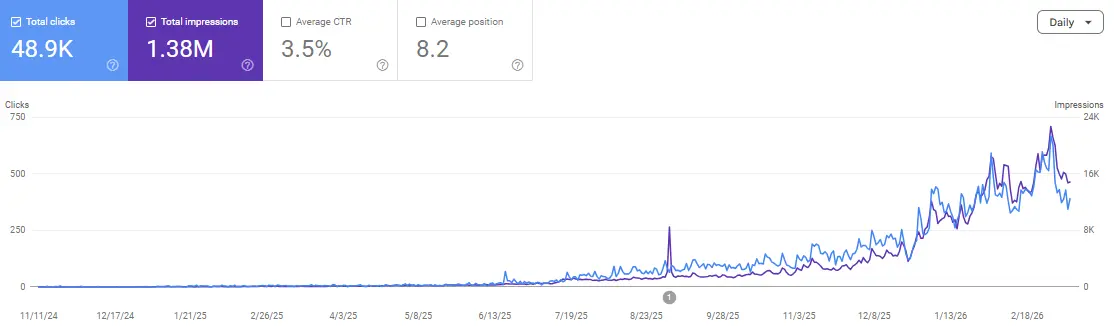
SEO takes time—but the results can be worth it.
Unlike paid ads, SEO is a long-term strategy. It doesn’t deliver instant traffic, but when done correctly, it can generate consistent and sustainable growth.
In this guide, we’ll break down how long SEO takes to show results, what affects the timeline, and how you can speed up the process.
How Long Does SEO Take?
In most cases, SEO starts showing noticeable results within:
3 to 6 months
However, more competitive keywords and industries may take:
6 to 12 months (or longer)
This timeline can vary depending on several factors, including your website’s authority, competition, and strategy.
Some improvements—like technical fixes—can show results faster, while ranking for competitive keywords usually takes more time.
Why SEO Takes Time
SEO involves multiple processes working together.
Search engines need time to:
- discover your content
- crawl your pages
- index your website
- evaluate your content quality
- compare your site to competitors
Because of this, results don’t happen overnight.
SEO is more like building momentum than flipping a switch.
Key Factors That Affect SEO Timeline
Not all websites see results at the same speed.
Here are the most important factors that influence how long SEO takes.
1. Website Age and Authority
New websites typically take longer to rank.
Search engines need time to trust a new domain.
Established websites with strong authority may see faster results because they already have:
- existing backlinks
- content history
- domain credibility
2. Competition Level
The more competitive a keyword is, the longer it takes to rank.
For example:
- high-competition keywords → longer timeline
- low-competition keywords → faster results
Targeting less competitive keywords early can help you gain traction faster.
3. Content Quality
High-quality content can significantly impact SEO performance.
Content that:
- answers user questions
- provides value
- is well-structured
is more likely to rank over time.
Low-quality content, on the other hand, may struggle to gain visibility.
4. Backlink Profile
Backlinks play a major role in SEO.
Websites with strong backlinks tend to rank faster.
If your site lacks backlinks, it may take longer to build authority.
5. Technical SEO
Technical issues can slow down SEO progress.
Examples include:
- slow loading speed
- poor mobile experience
- crawl errors
- indexing problems
Fixing these issues can sometimes lead to faster improvements.
6. Consistency of Effort
SEO is not a one-time task.
Websites that consistently:
- publish content
- update existing pages
- build backlinks
tend to see better and faster results.
SEO Timeline Breakdown
Here’s a general timeline of what you might expect.
Month 1–2: Foundation Stage
- keyword research
- technical SEO fixes
- initial content creation
At this stage, results are usually minimal.
Month 3–4: Early Growth
- some pages start ranking
- small increases in traffic
- initial keyword visibility
You may begin to see early signs of progress.
Month 5–6: Noticeable Results
- improved rankings
- steady traffic growth
- more keywords appearing in search results
This is when SEO efforts often start paying off.
Month 6+: Long-Term Growth
- stronger authority
- higher rankings for competitive keywords
- consistent organic traffic
With ongoing effort, growth continues over time.
How to Speed Up SEO Results
While SEO takes time, there are ways to accelerate progress.
Target Low-Competition Keywords
Start with keywords that are easier to rank for.
This helps you gain traffic and build authority faster.
Create High-Quality Content
Focus on content that provides real value.
Comprehensive and helpful content tends to perform better.
Build Quality Backlinks
Earning backlinks from relevant and trustworthy websites can boost rankings.
Optimize Technical SEO
Ensure your website is:
- fast
- mobile-friendly
- easy to crawl
Technical improvements can remove barriers to ranking.
Update Existing Content
Refreshing old content can improve rankings without creating new pages.
Common SEO Misconceptions
Many people expect instant results from SEO.
But unlike paid advertising, SEO is a long-term investment.
Some common misconceptions include:
- SEO works instantly
- more content always means faster results
- backlinks alone guarantee rankings
In reality, SEO success comes from consistent and balanced efforts.
FAQs
1. How long does SEO take to show results?
SEO typically takes 3 to 6 months to show noticeable results, but competitive niches may take longer.
2. Why is SEO so slow?
SEO involves crawling, indexing, and ranking processes, which take time for search engines to evaluate.
3. Can SEO work faster for new websites?
New websites usually take longer, but targeting low-competition keywords can help speed up results.
4. Does publishing more content speed up SEO?
It can help, but only if the content is high-quality and relevant.
5. Do backlinks speed up SEO?
Yes. High-quality backlinks can improve authority and help pages rank faster.
6. Is SEO worth the wait?
Yes. While it takes time, SEO can generate long-term, consistent traffic without ongoing ad costs.
Conclusion
So, how long does SEO take?
The honest answer is: it depends—but patience pays off.
SEO is not about instant results. It’s about building a strong foundation that delivers long-term growth.
By focusing on quality content, smart keyword targeting, and consistent effort, you can accelerate your progress and achieve sustainable success.
In the end, SEO is less about speed—and more about building something that lasts.
If you’d like to discuss SEO strategies and growth, feel free to join our Discord community!