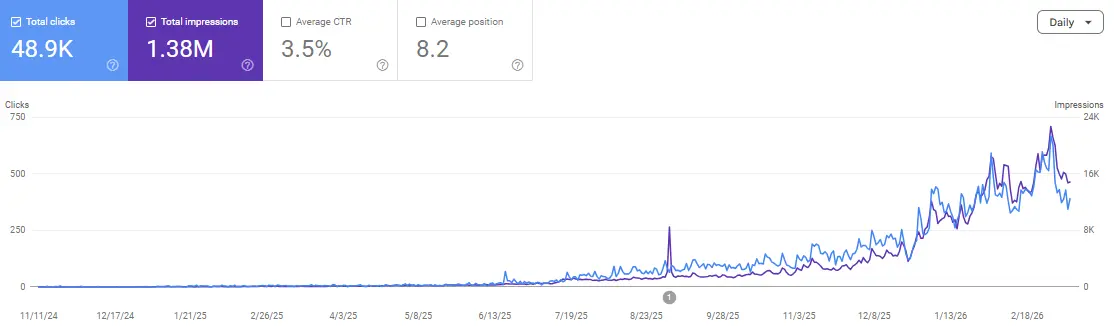
Backlinks remain one of the most powerful ranking factors in search engine optimization. When other websites link to your content, search engines interpret those links as signals of trust and authority.
But building backlinks from scratch can be difficult, especially if you don’t know where to start.
One of the most effective strategies is to analyze competitor backlinks. By studying where your competitors get their links, you can discover new opportunities, understand successful strategies, and improve your own SEO performance.
In this guide, we’ll walk through a step-by-step process to analyze competitor backlinks and use that information to strengthen your link-building strategy.
Why Competitor Backlink Analysis Matters
Competitor backlink analysis helps you understand the link-building strategies that are already working in your industry.
Instead of guessing where to build links, you can identify websites that are already linking to similar content.
Analyzing competitor backlinks helps you:
- discover new backlink opportunities
- identify authoritative websites in your niche
- understand which content attracts links
- improve your link-building strategy
In many cases, competitors ranking above you in search results already have strong backlink profiles. Studying them can reveal valuable insights.
Step 1: Identify Your SEO Competitors
Before analyzing backlinks, you first need to identify your SEO competitors.
These may not always be your direct business competitors. Instead, they are websites that rank for the same keywords you want to target.
To find them, you can:
- search your target keywords in Google
- analyze the top-ranking websites
- note which domains appear frequently in search results
These websites are the ones you should study when performing competitor backlink analysis.
Step 2: Use a Backlink Analysis Tool
To examine backlinks effectively, you’ll need an SEO tool that provides backlink data.
Common tools used for competitor backlink analysis include:
- backlink explorers
- SEO auditing platforms
- link analysis tools
These tools allow you to see:
- which websites link to your competitors
- the anchor text used in those links
- the authority of the linking domains
- how many backlinks each page receives
This data forms the foundation of your backlink research.
Step 3: Identify High-Quality Backlinks
Not all backlinks are equally valuable.
When analyzing competitor backlinks, focus on high-quality links rather than simply collecting as many links as possible.
High-quality backlinks often come from:
- authoritative websites
- relevant industry blogs
- news sites or trusted publications
- educational or research platforms
These types of links usually carry more SEO value than links from low-quality directories or spammy websites.
Step 4: Analyze the Content That Earned the Links
One of the most useful parts of competitor backlink analysis is understanding why certain pages attract links.
Look at the pages that receive the most backlinks and analyze their content.
You may notice patterns such as:
- in-depth guides
- research-based articles
- statistics and data pages
- helpful tutorials
- industry resources
This insight can help you create similar or improved content that has a higher chance of attracting backlinks.
Step 5: Look for Link Opportunities
After reviewing competitor backlinks, the next step is identifying link opportunities.
These are websites that already link to content similar to yours.
Possible opportunities include:
- blogs that publish guest posts
- websites that link to industry resources
- directories relevant to your niche
- journalists or bloggers covering your topic
Since these sites have already linked to similar content, they may be open to linking to your content as well.
Step 6: Check Anchor Text Patterns
Anchor text is the clickable text used in hyperlinks.
When analyzing competitor backlinks, pay attention to the types of anchor text being used.
You may see different types such as:
- branded anchor text
- keyword-based anchors
- natural phrases
- generic anchors like “read more”
Understanding these patterns helps you build a more natural backlink profile and avoid over-optimization.
Step 7: Identify Broken Link Opportunities
Another useful strategy during backlink analysis is finding broken links pointing to competitor websites.
If a page that used to exist no longer works, websites linking to that page may be willing to update their link.
If you have similar or better content, you can suggest replacing the broken link with your page.
This approach, often called broken link building, can be an effective way to earn backlinks.
Step 8: Track and Monitor Your Competitors
Competitor backlink analysis should not be a one-time activity.
Backlink profiles constantly change as websites gain or lose links.
Regular monitoring helps you:
- discover new link opportunities
- track competitor strategies
- identify emerging industry websites
- stay competitive in search rankings
Keeping an eye on competitors ensures you don’t miss valuable opportunities.
Tips for Effective Competitor Backlink Analysis
If you’re new to backlink research, a few simple practices can make the process easier.
Focus on quality over quantity.
Prioritize links from relevant websites within your niche.
Look for patterns in the types of content that attract backlinks.
Use competitor insights as inspiration rather than copying their strategy exactly.
Building your own unique content and outreach approach will produce stronger long-term results.
FAQs
1. What is competitor backlink analysis?
Competitor backlink analysis is the process of examining the websites that link to your competitors in order to discover link-building opportunities and improve your SEO strategy.
2. Why should you analyze competitor backlinks?
It helps identify high-quality link sources, understand successful content strategies, and find websites that may also link to your content.
3. Which tools can analyze competitor backlinks?
Many SEO tools provide backlink analysis features that allow you to examine link profiles, anchor text, and linking domains.
4. How often should you analyze competitor backlinks?
It’s helpful to review competitor backlink profiles regularly, especially when planning new content or link-building campaigns.
Conclusion
Learning how to analyze competitor backlinks can significantly improve your SEO strategy.
By studying where competitors get their links, you can discover valuable websites, identify successful content strategies, and find new backlink opportunities.
Instead of guessing which links might help your website, competitor analysis allows you to make data-driven SEO decisions.
Over time, combining strong content with strategic backlink research can help your website build authority and achieve better rankings in search engines.\
If you’d like to discuss about SEO and backlinks, feel free to join our Discord community!