Keyword research is one of the most important steps in SEO. If you target the wrong keywords, even great content may struggle to attract visitors.
That’s why SEO professionals rely on keyword research tools. These tools help you discover what people are searching for, how competitive a keyword is, and which topics are worth targeting.
In 2026, keyword research tools have become smarter and more data-driven. Many platforms now provide insights about search intent, keyword difficulty, and competitor strategies, making it easier to plan effective SEO content.
In this guide, we’ll explore some of the best keyword research tools for SEO in 2026 and how they can help improve your content strategy.
Why Keyword Research Tools Matter
Keyword research tools help you understand search behavior and identify opportunities to rank in search engines.
They can help you:
- discover new keyword ideas
- estimate search volume
- analyze keyword competition
- understand search intent
- find long-tail keywords with lower competition
Without keyword research, creating SEO content becomes guesswork.
6 Best Keyword Research Tools for SEO in 2026
Here are some of the most popular and reliable tools used by marketers and SEO professionals.
1. Ahrefs
Ahrefs is widely considered one of the most powerful SEO tools available.
Its Keywords Explorer allows you to analyze search volume, keyword difficulty, and click data across multiple search engines.
Key features:
- extensive keyword database
- keyword difficulty analysis
- competitor keyword research
- SERP analysis
Ahrefs is especially useful if you want to analyze which keywords your competitors are ranking for.
2. SEMrush
SEMrush is an all-in-one SEO platform that includes powerful keyword research tools.
Its Keyword Magic Tool can generate thousands of keyword ideas from a single search term and provide data about competition, trends, and search intent.
Key features:
- massive keyword database
- competitor keyword analysis
- keyword intent classification
- keyword difficulty metrics
SEMrush is commonly used by agencies and marketing teams managing multiple websites.
3. Google Keyword Planner
Google Keyword Planner remains one of the most widely used free keyword research tools.
Although it was originally designed for advertisers, many SEO professionals still use it to validate keyword ideas and search demand.
Key features:
- free keyword suggestions
- search volume estimates
- competition level data
- integration with Google Ads
It’s a great starting point for beginners who are new to SEO.
4. Keyword Tool
Keyword Tool is known for generating long-tail keyword ideas using autocomplete data from search engines.
It pulls keyword suggestions from platforms like Google, YouTube, and Amazon, helping marketers discover what users are searching for.
Key features:
- long-tail keyword suggestions
- multi-platform keyword research
- local keyword targeting
- simple interface
This tool is especially useful for content creators and bloggers.
5. Google Search Console
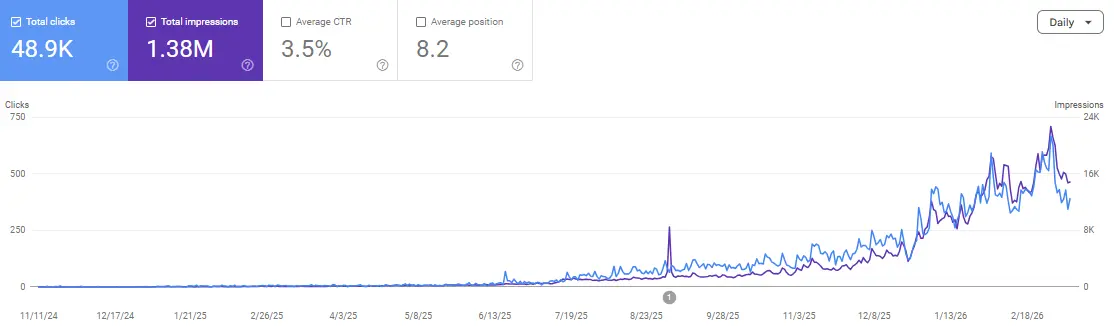
Unlike most keyword tools, Google Search Console shows real keyword data from your own website.
It reveals which search queries bring impressions and clicks to your pages.
Key features:
- real search performance data
- keyword impressions and clicks
- CTR analysis
- page ranking insights
Many SEO professionals use this tool to find opportunities to optimize existing content.
6. Google Trends
Google Trends is perfect for analyzing keyword popularity over time.
Instead of showing exact search volume, it displays how interest in a keyword changes across different regions and time periods.
Key features:
- trending topics
- seasonal search patterns
- geographic search interest
- keyword comparisons
This tool helps identify emerging topics before they become highly competitive.
How to Choose the Right Keyword Research Tool
The best tool depends on your goals and experience level.
For Beginners
Free tools like Google Keyword Planner and Google Search Console are usually enough to start.
For Content Creators
Tools that generate long-tail keywords can help discover new blog ideas.
For SEO Professionals
Advanced platforms like Ahrefs or SEMrush provide deeper data and competitive analysis.
Many SEO experts combine several tools to get the most accurate insights.
Tips for Better Keyword Research
Even the best tools are only useful if you apply them correctly.
Here are some simple tips:
- focus on keywords with realistic competition
- target long-tail keywords first
- analyze competitor keywords
- match keywords with search intent
- track keyword performance over time
A well-researched keyword strategy can significantly improve organic traffic.
FAQs
1. What is a keyword research tool?
A keyword research tool helps identify search terms that people use in search engines and provides data such as search volume, competition, and trends.
2. Are free keyword research tools enough for SEO?
Yes, beginners can start with free tools. However, paid tools usually provide deeper insights and competitor data.
3. What is the best keyword research tool in 2026?
Many SEO professionals consider Ahrefs and SEMrush among the best tools because of their large keyword databases and advanced analytics.
4. How do keyword research tools help SEO?
They help you find keywords that people search for, allowing you to create content that matches user demand and improves search rankings.
Conclusion
Keyword research remains the foundation of every successful SEO strategy.
By using the best keyword research tools, you can identify valuable search opportunities, understand your audience, and create content that ranks in search engines.
Whether you’re a beginner using free tools or a professional working with advanced platforms, the key is to focus on relevant keywords, search intent, and consistent optimization.
Over time, strong keyword research will help your website attract more organic traffic and grow sustainably.
If you’d like to discuss about SEO and backlinks, feel free to join our Discord community!