Backlink exchange can help SEO when it is natural, relevant, and useful. However, it can also increase the risk of a Google Penalty if the links are created only to manipulate rankings.
Many beginners see link swaps as an easy shortcut, but they often skip the safety checks. As a result, they may build toxic backlinks, repeat exact-match anchors, or create obvious link patterns. This guide explains what backlink exchange is, when it becomes risky, and how to do it more safely without damaging your organic traffic.
What Is a Google Penalty?
A Google Penalty is a situation where your website loses visibility because Google finds a serious quality or spam issue. In simple terms, your rankings may drop, your pages may lose traffic, or your site may receive a Google manual action inside Google Search Console.
There are two common ways this can happen. First, a manual action can happen when Google’s spam review team finds a clear violation. Second, algorithmic systems can reduce the value of spammy signals, which may still lead to organic traffic loss.
For backlink exchange, the main risk is unnatural linking. If two websites exchange links only for SEO, use keyword stuffing in anchor text, or join large link swap groups, the pattern can look manipulative. Therefore, beginners should treat backlink exchange carefully.
Why Google Penalty Matters for Your Website
A Google Penalty matters because it can affect more than one keyword. In some cases, the damage can reduce visibility across many pages.
- Organic traffic can drop. If rankings fall, fewer people find your website through Google. As a result, leads, signups, and sales may also slow down.
- Recovery can take time. Google penalty recovery is not always instant. You may need to remove toxic backlinks, submit a disavow file, fix anchor text patterns, and wait for Google to process the changes.
- Trust can become harder to build. A website with unnatural backlink patterns may struggle to grow safely. Therefore, clean link building is easier than cleaning up later.
- Your SEO work may lose value. Good content can still struggle if your off-page signals look spammy. In addition, weak backlinks can make performance harder to diagnose.
How to Avoid a Google Penalty During Backlink Exchange: Step-by-Step
- Check topic relevance first.
Only exchange links with websites related to your niche, audience, or article topic. For example, an SEO blog linking to a digital marketing guide can make sense. However, an SEO site exchanging links with a casino, loan, or unrelated coupon site can look risky. - Review the website manually.
Open the website before agreeing to anything. Read a few articles, check the About page, and look at outbound links. If the site publishes random topics every day, it may not be a safe partner. - Keep the link useful for readers.
A backlink should help the reader understand the topic better. Instead of forcing a link into a random paragraph, place it where it supports the content. Because of this, contextual links inside useful articles are safer than sidebar or footer links. - Use natural anchor text.
Avoid repeating the same exact-match keyword again and again. For example, using “best SEO backlink service” in every exchange can look unnatural. Instead, mix branded anchors, partial-match anchors, URL anchors, and descriptive link text. - Avoid large-scale link exchange patterns.
One relevant exchange with a real partner is different from joining a group that swaps links at scale. Large networks are easier to detect because the pattern repeats across many unrelated websites. Therefore, keep exchanges occasional and selective. - Track links in Google Search Console.
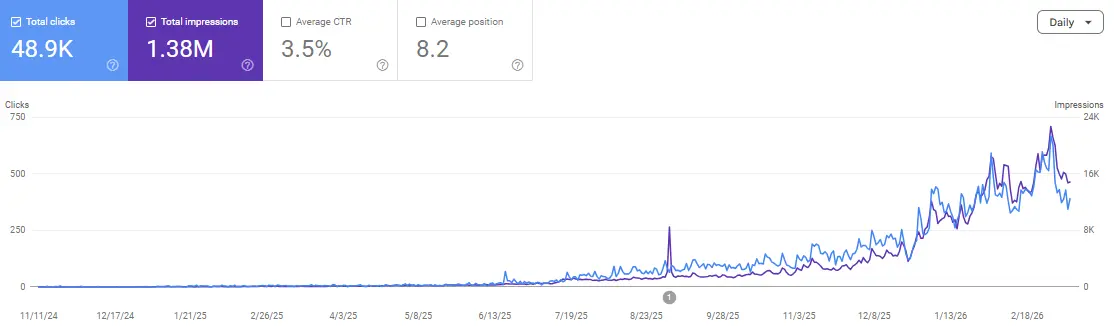
Use Google Search Console to monitor manual actions, organic traffic loss, and backlink-related issues. If you notice a sudden drop after link activity, review the links you built recently. In addition, keep a simple spreadsheet with partner URL, target page, anchor text, and date added.
Common Mistakes to Avoid
- Exchanging links with unrelated websites.
Relevance is one of the first safety checks. If the site topic does not match your audience, skip the exchange. - Using aggressive exact-match anchor text.
Repeating commercial keywords can look forced. Use natural anchor text that sounds helpful inside the sentence. - Ignoring toxic backlinks.
Some websites look fine at first but link to spammy niches. Check outbound links before accepting the opportunity. - Building links to weak pages.
A backlink works better when the target page is useful. Improve content quality before asking for links. - Using the disavow file too quickly.
A disavow file should not be your first reaction to every weak backlink. First, review the link pattern and check whether there is a serious risk or manual action.
Frequently Asked Questions
Is backlink exchange always unsafe?
No. Backlink exchange is not always unsafe when the websites are relevant and the links help readers. However, it becomes risky when it is done only to manipulate rankings.
Can backlink exchange cause a Google Penalty?
Yes, it can increase Google Penalty risk if the links are unnatural, excessive, or part of a link scheme. The biggest warning signs are unrelated sites, repeated anchor text, and large-scale exchange groups.
How do I know if a backlink is toxic?
Check the website topic, content quality, outbound links, and traffic signals. If the site links to many unrelated or spammy industries, the backlink may be toxic.
Should I use Google Search Console for backlink issues?
Yes. Google Search Console can show manual actions, performance drops, and some backlink data. It is one of the first tools beginners should check.
What should I do if I get a Google manual action?
Review the manual action message, identify unnatural links, remove or nofollow what you can, and consider a disavow file for links you cannot fix. Then submit a reconsideration request if needed.
Is guest posting safer than backlink exchange?
Guest posting can be safer when the article is useful and published on a relevant website. However, low-quality guest post farms can also create risk, so the same quality checks still apply.
Conclusion
Backlink exchange is not automatically bad, but it needs careful judgment. A safe exchange should be relevant, useful, occasional, and natural. If the link exists only for ranking manipulation, the risk of a Google Penalty becomes much higher. Therefore, check the website, anchor text, placement, and outbound link pattern before agreeing to any exchange.
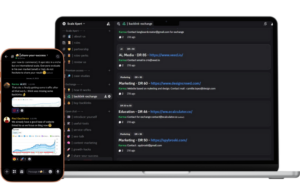
Want feedback before accepting a backlink opportunity? Join the Scale Xpert Discord community and learn safer SEO with other beginners. Build links slowly, and protect your rankings before chasing shortcuts.