If you’ve been in SEO long enough, you’ve probably received a message like this:
“Hi, I love your content. Would you be open to a backlink exchange?”
Backlink exchange is one of the oldest link-building tactics in the SEO world. Some marketers swear by it. Others warn that it can get your site penalized. So what’s the truth?
In this guide, we’ll break down what backlink exchange really means, how it works, whether it’s safe, and how to approach it strategically—without putting your website at risk.
What Is Backlink Exchange?
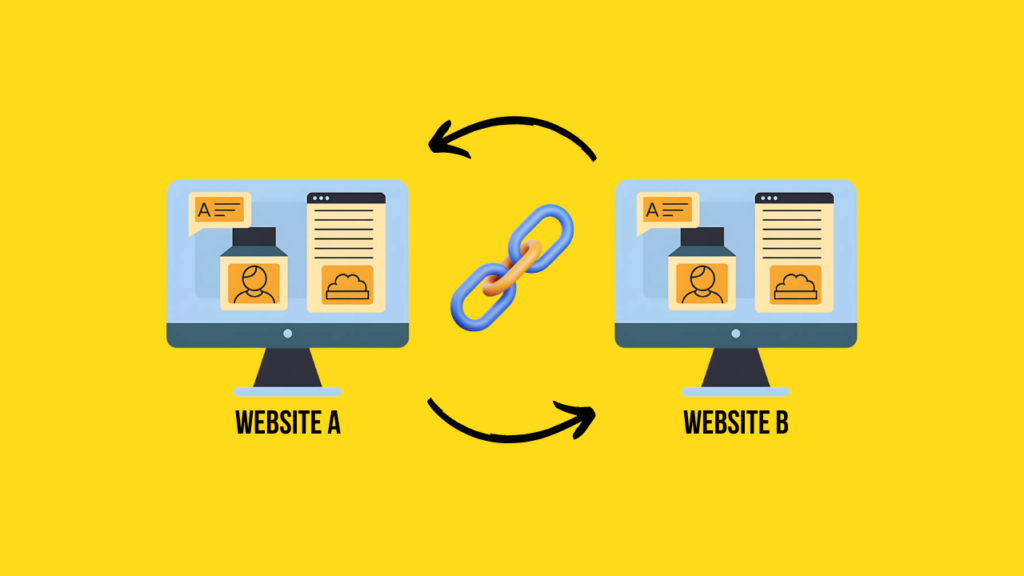
Backlink exchange (also known as reciprocal linking) is a practice where two website owners agree to link to each other’s content.
In simple terms:
- Website A links to Website B
- Website B links back to Website A
The idea behind this is straightforward. Backlinks are a ranking factor in Google’s algorithm. More quality backlinks can improve domain authority, search visibility, and organic traffic.
However, there’s a big difference between natural linking and arranged link exchange. Natural linking happens when you genuinely reference another site because it adds value. Backlink exchange, on the other hand, is intentional and pre-arranged.
That difference is where the SEO risk begins.
How Does Backlink Exchange Work?
There are a few common ways backlink exchange is structured.
Direct Exchange (A ↔ B)
This is the simplest model. Two websites agree to link to each other within blog posts or resource pages.
While easy, this format is also the most obvious to search engines if done excessively.
Three-Way Link Exchange
To make the pattern less detectable, some marketers use a three-site system:
- Site A links to Site B
- Site B links to Site C
- Site C links back to Site A
This reduces direct reciprocity but still carries risk if done unnaturally.
Using Backlink Exchange Platforms
There are various backlink exchange platforms like Scale Xpert and link exchange websites that connect site owners looking to swap links. Some even offer filters by niche, domain authority, or traffic level.
While convenient, these platforms can attract low-quality or spammy websites. This is where careful evaluation becomes essential.
Why Do Websites Use Backlink Exchange?
Despite the risks, backlink exchange remains popular for several reasons.
Faster Link Acquisition
Building backlinks organically takes time. Outreach, guest posting, and content marketing require effort. A backlink exchange can feel like a shortcut.
Authority Boost
Website owners often exchange links with similar authority sites to strengthen both domains.
Referral Traffic
In some cases, link exchanges can generate real referral traffic—especially when both websites share the same niche audience.
However, the key word here is “relevant.” Without relevance, the SEO benefit is minimal.
Is Backlink Exchange Safe for SEO?
This is the most important question.
Google’s guidelines clearly warn against “excessive link exchanges” designed solely to manipulate rankings. That means backlink exchange itself is not automatically illegal—but abuse of it can lead to penalties.
Here’s where it becomes risky:
- Large-scale reciprocal linking
- Irrelevant niche exchanges
- Over-optimized anchor text
- Link farms or automated backlink exchange apps
- Using redirects to manipulate link flow
For example, some marketers attempt redirect tactics to pass authority indirectly. These methods often violate search engine guidelines.
If your backlink profile shows a suspiciously high percentage of reciprocal links, it can raise red flags.
Backlink exchange is not inherently bad, but it must be done carefully and sparingly.
Paid Platforms and Pricing
Some backlink exchange platforms operate on subscription or credit systems. Pricing varies depending on domain authority, traffic, or niche targeting.
Before paying, ask yourself:
- Is the site relevant to my audience?
- Does it have real organic traffic?
- Does it publish quality content?
Paying for low-quality reciprocal links can do more harm than good.
Best Practices for Safe Backlink Exchange
If you decide to use it as part of your strategy, follow these best practices:
1. Prioritize Relevance
Only exchange links with websites in your niche or closely related industries. Relevance matters more than domain metrics.
2. Keep It Natural
Avoid exchanging links on every post. A small percentage of reciprocal links in your overall backlink profile is much safer.
3. Use Natural Anchor Text
Don’t over-optimize with exact-match keywords. Branded or contextual anchor text looks more organic.
4. Focus on Content Quality
Place links within valuable, informative content. Avoid random footer or sidebar link swaps.
5. Diversify Your Link Building
It should not be your only strategy. Combine with:
- Guest posting
- Digital PR
- Resource link building
- High-quality content marketing
Diversity protects your site from algorithm risks.
Backlink Exchange vs Guest Posting
Many SEO professionals compare backlink exchange to guest posting.
Guest posting typically involves creating original content for another website in exchange for a backlink. This approach:
- Adds value to the host site
- Strengthens brand credibility
- Feels more natural
Backlink exchange is quicker but often less sustainable long-term.
If your goal is long-term authority and brand trust, guest posting generally carries lower risk. Backlink exchange can still play a small supporting role—but it shouldn’t be the foundation of your SEO strategy.
FAQs
1. Is backlink exchange illegal?
No, it’s not illegal. However, excessive or manipulative link exchanges may violate search engine guidelines and lead to penalties.
2. Does Google penalize backlink exchange?
Google targets unnatural link schemes. A few natural reciprocal links are usually fine, but large-scale exchanges can trigger ranking issues.
3. How many reciprocal links are safe?
There’s no exact number. The key is balance. Reciprocal links should represent a small percentage of your total backlink profile.
4. Are backlink exchange’s platform worth it?
They can be useful for networking, but quality control is crucial. Always evaluate relevance, authority, and organic traffic before agreeing to any exchange.
Conclusion
Backlink exchange remains one of the most debated tactics in SEO. It’s neither completely safe nor automatically dangerous—it all depends on how you use it.
When done strategically, with relevant partners and natural placement, it can support your broader link-building efforts. But relying on it too heavily or using low-quality platforms can harm your rankings.
In modern SEO, quality, relevance, and diversity always win over shortcuts. Treat backlink exchange as a small piece of your strategy—not the entire plan—and you’ll build a stronger, safer backlink profile over time.
If you’d like to discuss link-building strategies, feel free to join our Discord community!
Join our community!