If you run a website, blog, or online business, you’ve probably heard the term organic traffic. In the world of digital marketing, it’s one of the most valuable sources of visitors.
But what exactly does organic traffic mean?
Simply put, organic traffic refers to people who visit your website after finding it through unpaid search engine results. They search for something online, see your page in the results, and click on it.
Unlike paid advertisements, organic traffic comes naturally through good content and SEO strategies. This makes it a powerful long-term way to grow your website.
In this guide, we’ll explain the meaning of organic traffic, real examples, how it differs from other traffic types, and how you can increase it.
What Is Organic Traffic?
Organic traffic refers to visitors who arrive at your website through non-paid search engine results.
For example, when someone searches on Google and clicks a website that appears in the search results (not an advertisement), that visit counts as organic traffic.
These search results appear because search engines believe the content is relevant and useful for the user’s query.
Most organic traffic is generated through Search Engine Optimization (SEO), which involves optimizing your website so it ranks higher in search results.
The better your SEO strategy, the higher your chances of attracting organic visitors.
Organic Traffic Meaning (Simple Explanation)
The easiest way to understand organic traffic is:
Organic traffic = visitors who find your website through unpaid search results.
These visitors come to your site because they were already looking for something online.
For example, someone might search for:
- how to increase website traffic
- best SEO tools
- what is organic traffic
If your website appears in the search results and the user clicks it, that visit becomes organic traffic.
Because these visitors are actively searching for information, organic traffic is often highly targeted and valuable.
Organic Traffic Example
Imagine someone searches for:
“how to improve SEO for beginners”
The process usually looks like this:
- The user searches on Google
- Google shows a list of search results
- The user clicks one of the articles
- That visit becomes organic traffic for the website
Website owners can track these visits using tools like Google Analytics.
These tools show how many visitors arrive through organic search and which pages attract the most traffic.
Organic Traffic vs Paid Traffic
One of the most common questions beginners ask is the difference between organic traffic and paid traffic.
Organic Traffic
Organic traffic comes from search engine results that appear naturally because of SEO efforts.
Benefits include:
- No cost per click
- Long-term traffic potential
- Higher credibility with users
However, it usually takes time to build because SEO requires consistent effort.
Paid Traffic
Paid traffic comes from advertisements, such as those run through Google Ads.
Advantages include:
- Immediate visibility
- Faster traffic generation
- Greater control over targeting
The downside is that traffic stops when the advertising budget ends.
What Are the Main Types of Website Traffic?
Most websites receive visitors from several different sources.
The main types of traffic include:
Organic Traffic
Visitors who find your website through search engines.
Paid Traffic
Visitors who arrive through online advertisements.
Direct Traffic
Visitors who type your website address directly into their browser or use bookmarks.
Other traffic sources may include referral traffic and social media traffic.
Understanding these traffic sources helps businesses analyze where their visitors are coming from.
Why Organic Traffic Is Important
Organic traffic plays a huge role in the long-term growth of a website.
Here are some reasons why it matters.
1. Sustainable Traffic Growth
Once your content ranks well in search engines, it can continue attracting visitors for months or even years.
This makes organic traffic one of the most sustainable marketing channels.
2. Higher Trust and Credibility
Users often trust organic search results more than advertisements.
When your website appears at the top of search results, it increases your brand’s credibility.
3. Lower Marketing Costs
While SEO requires effort and time, organic traffic does not require paying for every visitor.
Over time, this makes it a very cost-effective way to grow a website.
Is Organic Traffic a KPI?
Yes, organic traffic is often used as a key performance indicator (KPI) in digital marketing.
Businesses track organic traffic to measure:
- SEO performance
- content marketing success
- website visibility in search engines
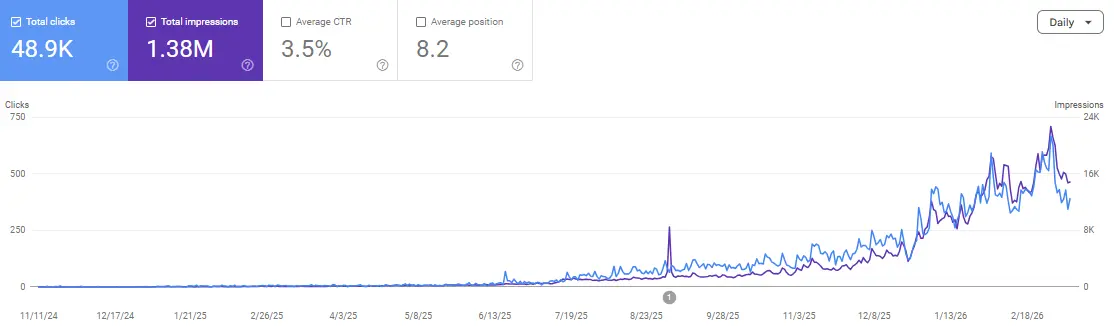
If organic traffic continues to grow, it usually indicates that your SEO strategy is working.
How to Check Organic Traffic
Website owners can track organic traffic using analytics tools.
Two of the most popular platforms are:
- Google Analytics
- Google Search Console
These tools help you see:
- how many visitors come from search engines
- which keywords generate traffic
- which pages perform best
Analyzing this data helps improve your SEO strategy and content planning.
How to Increase Organic Traffic
Increasing organic traffic requires consistent SEO efforts.
Here are some of the most effective strategies.
1. Create High-Quality Content
Search engines prioritize helpful and informative content.
Publishing guides, tutorials, and blog posts that answer user questions can attract more organic visitors.
2. Do Proper Keyword Research
Keyword research helps you understand what people are searching for online.
By targeting relevant keywords, your website has a better chance of appearing in search results.
3. Optimize On-Page SEO
On-page SEO includes optimizing:
- page titles
- headings
- meta descriptions
- internal links
These elements help search engines understand your content.
4. Build Backlinks
Backlinks from other websites signal credibility to search engines.
Websites with strong backlink profiles often rank higher in search results.
5. Improve Your Landing Pages
Optimized landing pages that match user search intent can significantly increase organic traffic.
Good landing pages should be fast, easy to read, and provide clear information.
FAQ
What does organic traffic mean?
Organic traffic refers to visitors who reach a website through unpaid search engine results instead of advertisements.
Is organic traffic good?
Yes. Organic traffic is valuable because it comes from users actively searching for information, products, or services online.
What is the difference between SEO and organic traffic?
SEO is the process of optimizing a website to rank higher in search engines, while organic traffic refers to the visitors generated by those SEO efforts.
Conclusion
Organic traffic is one of the most important sources of visitors for any website.
It represents users who discover your content naturally through search engines because it matches their search queries.
By focusing on SEO, high-quality content, keyword research, and backlinks, websites can steadily increase their organic traffic over time.
Although it may take time to build, organic traffic remains one of the most reliable and sustainable ways to grow an online presence.
If you’d like to discuss about SEO, feel free to join our Discord community!