If you want your website to appear in search results, understanding keywords is essential. In SEO, keywords act as the bridge between what people are searching for and the content you publish.
When users type a query into a search engine like Google Search, the search engine scans billions of pages to find the most relevant results. Keywords help search engines understand the topic of your page and determine whether it matches the user’s search intent.
Without the right keywords, even high-quality content may struggle to reach its audience. That’s why keyword research and optimization are fundamental parts of any SEO strategy.
What Are Keywords?
In SEO, keywords are words or phrases that people type into search engines when looking for information, products, or services.
For example, if someone searches for:
- “best SEO tools”
- “how to increase website traffic”
- “keyword research guide”
These search queries are considered keywords.
Website owners and marketers use these keywords within their content to help search engines understand what their pages are about. When used correctly, keywords help your website appear in relevant search results.
Why SEO Keywords are Important
Keywords play a critical role in helping search engines connect users with relevant content.
1. Help Search Engines Understand Your Content
Search engines analyze keywords in your headings, titles, and content to determine the main topic of your page. Proper keyword usage helps search engines categorize and rank your content.
2. Bring Targeted Traffic
When you target the right keywords, you attract visitors who are already searching for the information you provide. This means the traffic coming to your site is more relevant and more likely to convert.
3. Improve Content Strategy
Keywords reveal what people are interested in. By analyzing search queries, businesses can create content that directly answers users’ questions.
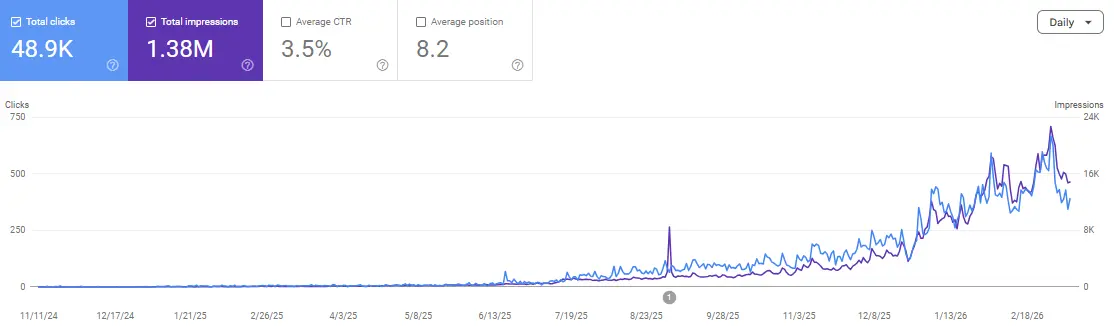
Tools like Google Search Console and Ahrefs can help identify keywords that bring traffic to your website.
Types of Keywords in SEO
Not all keywords are the same. Understanding the different types helps you build a more effective SEO strategy.
1. Short-Tail Keywords
Short-tail keywords are broad search terms usually consisting of one or two words.
Examples:
- SEO
- marketing
- backlinks
These keywords often have high search volume but are very competitive.
2. Long-Tail Keywords
Long-tail keywords are longer and more specific phrases.
Examples:
- how to increase website traffic
- best SEO tools for beginners
- how to build backlinks for a new website
Although they have lower search volume, long-tail keywords are easier to rank for and often bring more targeted visitors.
3. Informational Keywords
These keywords are used when people want to learn something.
Examples:
- what is SEO
- how keyword research works
- SEO tips for beginners
Most blog posts and educational content target informational keywords.
4. Transactional Keywords
Transactional keywords indicate that users are ready to take action, such as buying or signing up.
Examples:
- buy SEO tools
- SEO services pricing
- best keyword research software
These keywords are commonly used for product pages or service pages.
What Is Keyword Research?
Keyword research is the process of identifying the search terms people use when looking for information online.
It helps you understand:
- what your audience is searching for
- how often those terms are searched
- how competitive they are
The tools provide valuable insights into search volume, keyword difficulty, and related search queries.
Popular research tools include:
- Google Keyword Planner
- SEMrush
- Ahrefs
By using these tools, you can discover opportunities to create content that matches real user searches.
How to Use SEO Keywords
Using it effectively is just as important as finding them.
1. Include in Title
Your page title should contain your main keyword because it tells both users and search engines what the page is about.
Example:
What Are Keywords? A Complete Guide to Keywords in SEO
2. Use in Headings
Adding keywords in headings (H1, H2, H3) helps organize your content and improves readability for both users and search engines.
3. Add Naturally in Content
Keywords should appear naturally throughout your article. Avoid keyword stuffing, which can negatively impact your rankings.
Instead, focus on writing clear and helpful content.
4. Use in Meta Descriptions
A well-written meta description that includes your keyword can improve click-through rates from search results.
5. Optimize Image Alt Text
Search engines cannot “see” images, so alt text helps them understand what the image represents. Including keyword in image descriptions can also support SEO.
How Keywords Help Your Website Grow
When used correctly, it can significantly improve your website’s visibility.
They help search engines understand your content, bring relevant visitors to your site, and guide your overall content strategy.
Over time, consistently targeting the right keywords can lead to:
- higher search rankings
- more organic traffic
- better audience engagement
- increased brand visibility
FAQs
1. How many keywords should be used in one article?
Most SEO experts recommend focusing on one primary keyword and several related or secondary keywords. This helps search engines clearly understand the topic of the page while keeping the content natural and readable.
2. How long does it take for keywords to rank on Google?
Ranking usually takes several weeks to a few months, depending on factors such as keyword competition, content quality, backlinks, and website authority.
3. What are common keyword mistakes in SEO?
Common mistakes include keyword stuffing, targeting highly competitive keywords, and ignoring search intent. Repeating too often can harm readability, while focusing on difficult keywords or mismatching user intent can prevent your content from ranking effectively.
Conclusion
Keywords are one of the most fundamental elements of SEO. They help search engines connect users with the content that best answers their questions.
By understanding how work, conducting proper research, and using them naturally within your content, you can greatly improve your website’s chances of ranking in search results.
In the long run, a strong keyword strategy combined with high-quality content is one of the most effective ways to grow your organic traffic and online presence.
If you’d like to discuss about SEO, feel free to join our Discord community!
Join our community!