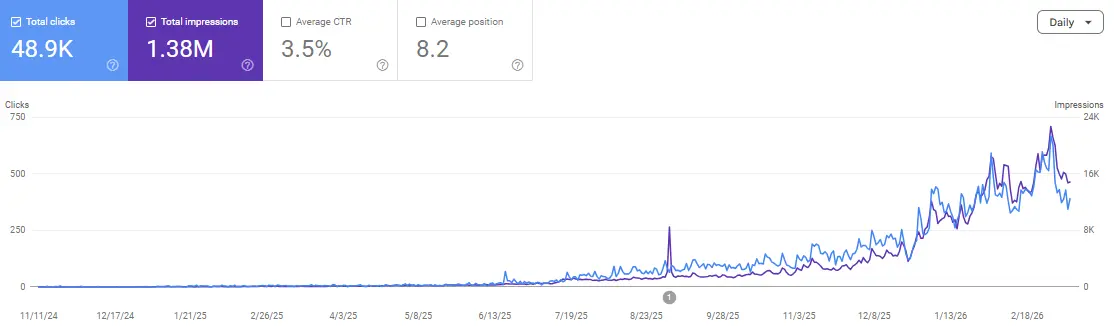

One of the most common questions bloggers and website owners ask is: How long should a blog post be for SEO?
Some people believe that longer articles always rank higher, while others think shorter posts are easier for readers to consume.
The truth is that blog post length alone does not determine rankings. What really matters is how well your content answers the user’s search query.
However, understanding the ideal blog length can still help you create content that performs better in Search Engine Optimization.
In this guide, we’ll explore how long a blog post should be, what factors influence content length, and how to write posts that rank well in search engines.
Does Blog Post Length Affect SEO?
Content length can influence SEO, but it is not a direct ranking factor.
Search engines like Google prioritize relevance, quality, and user satisfaction.
Longer articles often perform better because they usually provide:
- more detailed explanations
- better topic coverage
- additional keyword opportunities
- more internal linking options
However, a long article that lacks value will not rank well.
Quality and usefulness are always more important than word count.
Ideal Blog Post Length for SEO
Although there is no universal rule, many SEO studies suggest general ranges for blog content.
Short Blog Posts (500–800 Words)
Short articles can work well for:
- simple topics
- quick answers
- news updates
However, they may struggle to compete for highly competitive keywords.
Medium-Length Posts (1,000–1,500 Words)
This range is often ideal for many blog posts.
It allows enough space to explain a topic clearly while keeping the content easy to read.
Many SEO-friendly blog posts fall into this category.
Long-Form Content (2,000+ Words)
Long-form content is useful for:
- in-depth guides
- tutorials
- detailed explanations
Longer content often attracts more backlinks and covers topics more comprehensively.
However, length should always serve the purpose of the article.
Factors That Influence Blog Post Length
Instead of focusing only on word count, it’s better to consider several factors when deciding how long a blog post should be.
Search Intent
Understanding why users are searching for a topic helps determine how detailed your article should be.
For example:
- simple definitions may require shorter content
- detailed guides may require longer content
Keyword Competition
Highly competitive keywords usually require more comprehensive content to compete with top-ranking pages.
Analyzing the current search results can help you understand the level of detail needed.
Topic Complexity
Some topics naturally require more explanation.
Technical or educational topics often need longer content to provide clear guidance.
Content Structure
Well-structured content with headings, lists, and sections improves readability regardless of length.
Even long articles can feel easy to read when organized properly.
Tips for Writing SEO-Friendly Blog Posts
Instead of focusing only on length, focus on creating content that truly helps readers.
Cover the Topic Completely
Make sure your content answers the main question and any related questions users might have.
Use Clear Headings
Headings help organize your content and make it easier to scan.
Add Internal Links
Linking to other relevant pages on your website helps users explore more content and improves site structure.
Focus on Readability
Short paragraphs, bullet points, and simple language make your content easier to understand.
Common Mistakes When Writing Blog Posts for SEO
Many beginners make mistakes when trying to optimize blog length.
Writing Long Content Without Value
Adding unnecessary text just to increase word count does not improve SEO.
Ignoring User Intent
Content that doesn’t answer the user’s question will struggle to rank.
Overlooking Content Structure
Even good content can perform poorly if it is difficult to read.
FAQ
What is the ideal blog post length for SEO?
Many SEO experts recommend blog posts between 1,000 and 2,000 words, but the best length depends on the topic and search intent.
Do longer blog posts rank better?
Longer posts can perform well because they provide more detailed information, but quality and relevance are more important than length.
Can short blog posts rank on Google?
Yes. Short posts can rank if they answer a user’s question clearly and match the search intent.
Should every blog post be long?
No. Some topics only require short explanations. The goal is to provide the right amount of information for the reader.
Conclusion
There is no single perfect length for every blog post.
While longer content often performs well in search results, the most important factor is how effectively your article answers the user’s question.
Instead of focusing only on word count, prioritize clear explanations, helpful information, and good content structure.
By combining valuable content with smart SEO practices, your blog posts can attract more organic traffic and perform well in search engines over time.
If you’d like to discuss about SEO and backlinks, feel free to join our Discord community!