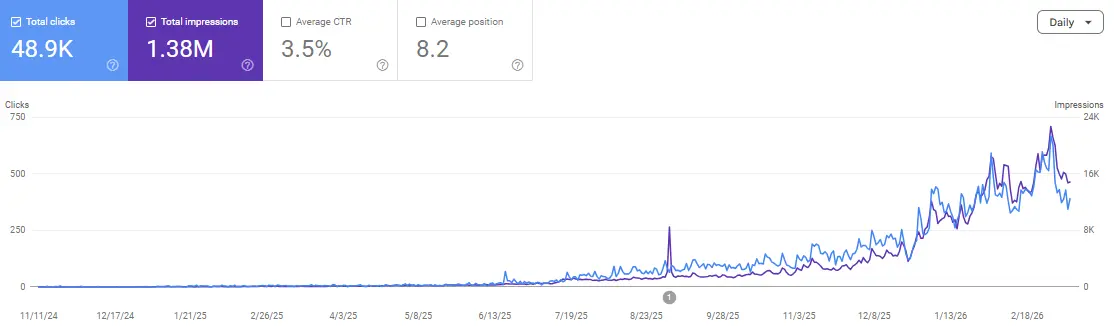
Search engine optimization has been around for many years, but misinformation about SEO is still very common.
Many website owners follow outdated strategies or believe advice that no longer works. As search engines evolve, some SEO techniques that were once effective are now ineffective—or even harmful.
Understanding the difference between SEO myths and real best practices can help you avoid mistakes and focus on strategies that actually improve rankings.
In this article, we’ll look at some of the most common SEO myths and explain what really matters in modern Search Engine Optimization.
Myth 1: SEO Is a One-Time Task
One of the most common SEO myths is the belief that you only need to optimize your website once.
In reality, SEO is an ongoing process.
Search engines like Google constantly update their algorithms, and competitors are always creating new content.
To stay competitive, websites need to:
- update content regularly
- improve site performance
- monitor keyword rankings
- continue building backlinks
SEO works best as a long-term strategy rather than a one-time effort.
Myth 2: More Keywords Always Improve Rankings
Some people believe that repeating a keyword many times will help a page rank higher.
This practice, known as keyword stuffing, can actually hurt your rankings.
Search engines are designed to understand natural language and user intent. Instead of focusing on repeating keywords, it’s better to create clear, helpful content that answers user questions.
Quality content will always perform better than keyword-heavy text.
Myth 3: Backlinks Are No Longer Important
Another common myth is that backlinks no longer matter for SEO.
While search algorithms have evolved, backlinks are still one of the strongest ranking signals.
When reputable websites link to your content, it signals trust and authority.
However, the quality of backlinks matters much more than the quantity.
Links from relevant and trustworthy websites are far more valuable than many links from low-quality sources.
Myth 4: SEO Results Are Instant
Many beginners expect SEO to produce immediate results.
In reality, SEO usually takes time.
It often takes several months for search engines to crawl new content, evaluate backlinks, and adjust rankings.
Consistent optimization, content creation, and link building gradually improve visibility over time.
SEO is more like building a long-term investment rather than achieving quick wins.
Myth 5: Paid Ads Improve Organic Rankings
Some people believe that running paid ads will automatically improve their organic rankings.
However, paid advertising and organic search rankings are separate systems.
For example, campaigns run through Google Ads do not directly affect organic search results.
While ads can increase traffic and brand visibility, they do not directly boost SEO rankings.
Myth 6: The More Pages You Publish, the Better
Publishing content frequently can help SEO, but only if the content provides value.
Creating large amounts of low-quality content can dilute your website’s authority and confuse search engines.
Instead of focusing on quantity alone, it’s better to prioritize:
- useful information
- well-researched topics
- strong keyword targeting
High-quality content tends to perform better in the long run.
Myth 7: SEO Is Only About Search Engines
Some people believe SEO is purely about optimizing content for algorithms.
In reality, modern SEO focuses heavily on user experience.
Search engines aim to deliver the most helpful results to users, so websites that provide a better experience often rank higher.
Important factors include:
- page speed
- mobile friendliness
- clear site structure
- valuable content
Optimizing for users naturally improves SEO performance.
FAQ
What are SEO myths?
SEO myths are common misconceptions or outdated beliefs about how search engine optimization works.
Why do SEO myths exist?
SEO myths often spread because search engine algorithms change frequently, and outdated strategies continue to circulate online.
Does keyword stuffing still work?
No. Keyword stuffing can harm rankings and make content difficult to read.
Is SEO still important today?
Yes. SEO remains one of the most effective ways to generate long-term organic traffic for websites.
Conclusion
SEO myths can lead website owners to focus on the wrong strategies and waste valuable time.
Understanding how modern search engines work helps you avoid outdated practices and concentrate on what truly matters.
Instead of chasing quick tricks, successful SEO focuses on high-quality content, strong backlinks, and a positive user experience.
By following proven SEO principles and avoiding common myths, websites can build sustainable search visibility and long-term growth.
If you’d like to discuss about SEO and backlinks, feel free to join our Discord community!